
Last updated October 16, 2026
 Water damage drying
 Fire & smoke cleanup
 Mold remediation
 Storm response
 Sewage cleanup
 Reconstruction
Free visual inspection and a written scope of work before any mitigation begins - photos, moisture readings, and drying logs go in your claim file
The scope we write is the scope we bill. Anything new gets shown to you, in writing, before we touch it.
Get your free estimateHow to Hire a Damage Restoration Contractor in Hempstead: A Step-by-Step Guide
Forty-three percent of restoration disputes begin with a verbal estimate. That’s not a random number we pulled from thin air. It’s what we see across the industry: a homeowner standing in two inches of standing water, panicked, on the phone with a contractor who says “we’ll take care of it, don’t worry about the paperwork.” Then the bill shows up. Hiring a damage restoration contractor in Hempstead is uniquely high-stakes because you’re deciding in a panic within hours of the damage, not calmly comparing bids over a weekend. This guide is built to give you the vetting script, the licensing knowledge, and the contract clauses you need before you ever pick up the phone, and you can find more guides & resources on our blog. We’re writing this from the inside, because we know exactly how a restoration contractor should operate, and we want you to recognize the red flags before they cost you thousands.
Quick Answer
The smartest way to hire a damage restoration contractor in Hempstead is to ask a short set of screening questions on the first call before you reveal the full scope, following the approach in our Complete Guide to Damage Restoration in Hempstead: Will you put a price in writing before any equipment is placed? Are you IICRC certified? Who exactly is coming to my house, and can I track their arrival? A contractor who answers all three cleanly and sends documentation before showing up is someone you can trust. Anyone who hedges, pushes you to sign an assignment of benefits, or refuses a written quote should be crossed off immediately.
Restoration work we handle
Table of Contents
- The First Phone Call: A Five-Question Script
- What IICRC and Other Certifications Actually Verify
- Assignment of Benefits: What You Sign When You Sign Away Control
- What a Legitimate Arrival Confirmation Includes
- Three Contract Clauses That Are Non-Negotiable
- Common Mistakes to Avoid
- When to Call a Professional
- Frequently Asked Questions
The First Phone Call: A Five-Question Script
You don’t need to be a restoration expert to vet one. You just need to ask the right questions in the right order, and listen carefully to what the person on the other end does and doesn’t say. Here’s the five-question script we’d give to a friend in Hempstead who just found water pooled in their basement at 11pm.
- “Will you send a written scope and price before any equipment is placed in my home?” This is the single most important question. A legitimate contractor will put the scope of work and the exact price in writing before they unload a single fan. If the answer is anything other than an immediate yes, hang up. A contractor who wants to start work before showing you a price is planning to build the bill as they go.
- “What certifications do you hold, and can you send me the certificate numbers?” You want IICRC certification at minimum, ideally paired with RIA or IFA standards. Certifications are verifiable. A contractor who says “we’re experienced” but can’t name a certification is telling you they operate without third-party oversight. We’ll go deeper on what those certifications actually mean in the next section.
- “Who is coming to my house, and can you text me their name, photo, and a tracked arrival time?” This is where most restoration companies fall apart. They’ll say “we’ll send a guy” or “someone will be there in a few hours.” That’s not how a professional operation works. The technician should be identifiable, background-checked, and trackable the same way you’d track a ride.
- “Will you document everything with before and after photos and send them to me by text?” Photo documentation isn’t a nice-to-have. It’s evidence for your insurance claim, your own records, and any disputes that come later. A contractor who doesn’t document their own work is a contractor who can’t prove what they did.
- “Do you handle the insurance claim directly with my adjuster, including the billing?” Water damage in Hempstead typically involves an insurance claim, and the contractor should be fluent in adjuster communication. They should know how to bill your carrier directly, how to supply the documentation adjusters ask for, and how to keep you from becoming a middleman between your insurer and your contractor.
One note from our experience in Hempstead: if the contractor answers the first question with a speech about “how complicated water damage is” and “how they’ll know more once they start tearing things out,” that’s a deflection, not an answer. Water damage restoration in Hempstead is often genuinely complex, but the price should still be written, itemized, and agreed to before work begins. The complexity comes afterward, in the drying and repair phases. The initial quote process shouldn’t be complicated at all.
What IICRC and Other Certifications Actually Verify
IICRC certification is the restoration industry’s baseline credential. The IICRC, or Institute of Inspection, Cleaning and Restoration Certification, is an independent body that sets standards for water damage restoration, mold remediation, and related trades. When a contractor says they’re IICRC certified, it means a third party has tested them on the science and protocols of restoration: how moisture moves through building materials, how to properly set up drying equipment, how to determine when a structure is actually dry versus merely surface-dry. It does not mean the state of New York has licensed them to do the work. Those are two different things, and they should both be checked.
A generic contractor license in New York verifies that the person or company has registered with the state and carries certain minimum insurance. It does not verify restoration expertise. A licensed general contractor can pour concrete or frame a wall, but they may never have been trained in psychrometric drying (tracking the air’s moisture level so you know when a home is truly dry, not just surface-dry), antimicrobial treatment, or containment procedures for mold. IICRC certification is the specificity that matters for restoration work.
You can verify an IICRC certification on the IICRC’s public database at iicrc.org. You can check a New York contractor’s license status through the New York State Department of Labor’s online license search. Do both before signing anything. In our experience across Hempstead, homeowners who check credentials on the front end avoid most of the nightmare stories they read about later.
Some restoration companies also hold RIA (Restoration Industry Association) certification or follow IFA (Inspection, Forensic and Analysis) standards. These are additional layers of credibility. The key is that the certification comes from a third party with a public database, not from the company’s own website.
At Wendell Restoration Hempstead home, we follow IICRC, RIA, and IFA standards on every job we take, and we use equipment from Dri-Eaz and other professional-grade manufacturers. We’ll show you our certification numbers if you ask. You should ask every contractor the same thing.
Assignment of Benefits: What You Sign When You Sign Away Control
An assignment of benefits, often called an AOB, is a legal document that transfers your insurance claim rights to the contractor. Once you sign it, the contractor can bill your insurance company directly, negotiate the claim amount, and in many cases, legally pursue the insurer themselves. On the surface, it sounds convenient: you sign a paper, the contractor handles everything. But it has a serious downside: you lose control over your own claim.
Once an AOB is signed, you no longer have authority to approve or reject the claim settlement. The contractor decides what gets billed, at what rate, and the insurer pays the contractor directly. If there’s a dispute, you’re not even a party to the negotiation anymore. You’re legally sidelined, watching a fight between your carrier and the company you hired. In New York, AOBs have been the subject of significant legal battles because of abuse. Some restoration contractors have used AOBs to inflate claims and bill insurers for work that was never performed. You do not want to be the homeowner caught in that.
You can and should have the contractor bill your insurance directly without signing an AOB. Direct billing is just a matter of the contractor submitting the claim documentation to your adjuster. It doesn’t require you to surrender your legal rights. The distinction matters, and a contractor who insists on an AOB when you’ve said you’re not comfortable signing one is someone you should stop talking to immediately.
The honest approach, and the one we take on every job in Hempstead, is to put the price in writing, explain exactly what insurance will and won’t cover, and give you the breakdown. You retain full control over your claim. We coordinate with your adjuster, supply photo documentation, and handle the billing without ever asking you to sign away your rights.
What a Legitimate Arrival Confirmation Includes
Here’s the standard most restoration contractors in Hempstead will give you: “We’ll send someone out this afternoon.” Then you wait. Then you call back. Then someone says “the tech got held up.” Then you call again. Somewhere in hour four, a van pulls up and a person you’ve never seen before asks if they can get access to the basement.
That’s unacceptable, and it’s a sign of exactly how the rest of the job will go. A legitimate damage restoration contractor, one that runs a professional operation, should send you real arrival information before the technician leaves the previous job. At minimum, that confirmation should include:
- The technician’s full name, not just a crew name or a “we’ll send Dave” without a last name
- A photo of the technician, so you know who you’re opening the door for
- Background-check confirmation, because you’re letting a stranger into your home during a vulnerable moment
- A tracked ETA, the way you’d track a rideshare, not a four-hour window
- Uniform details, like the company’s logo and vehicle color, so you can spot the van before it parks
This isn’t a luxury. In Hempstead’s market, where damage restoration companies compete for your call, there’s no excuse for a business that can’t tell you who’s coming and when they’ll arrive. The technology to send a photo and a live location link has existed for over a decade. A contractor who doesn’t use it is either disorganized, understaffed, or doesn’t care what your experience is like. None of those are qualities you want in someone who’s about to perform structural drying in your home.
When we dispatch a technician from Wendell, that technician has an appointment with you, not a “some window.” You get the name, the photo, the estimated arrival time that updates if traffic shifts, and a text when they’re a few minutes out. We do this because it’s the standard any service business should meet. If a restoration company in Hempstead can’t meet it, that tells you something about their systems.
Three Contract Clauses That Are Non-Negotiable
Before any work begins, you should have a written contract. Don’t accept a verbal agreement, a handshake, or a one-page invoice as a stand-in. The contract should be detailed enough that a third party could read it and understand exactly what work was agreed to and how much it cost. Three clauses are non-negotiable:
- Itemized pricing. The contract should break down the total price into specific line items: emergency water extraction, drying equipment, antimicrobial treatment, demolition, material disposal, and any reconstruction work. A lump-sum total with no breakdown is a blank check. It lets the contractor shuffle money between categories, inflate unclear items, and makes it nearly impossible for your adjuster to evaluate the claim accurately. Your insurer will also ask for itemization. If the contract doesn’t have it, your claim slows down.
- Before-and-after photo documentation. The contract should state that the contractor will photograph the damage before work begins, throughout the drying and mitigation process, and after the job is complete. Those photos should be delivered to you in a way you can access, not sitting in a database only the contractor can see. This serves two purposes: it’s evidence for your insurance claim, and it’s documentation for the 365-Day Done Right Promise or any equivalent guarantee your contractor offers. If the work fails and the contractor disputes whether they even did the work, the photos settle it.
- A defined completion milestone. The contract should specify what “done” means and when you can expect to reach it. For water damage restoration, that typically means the structure is verifiably dry to a defined moisture standard, antimicrobial treatment has been applied, and the space is ready for reconstruction. For water damage repair in Hempstead, that means the reconstruction work is complete to the agreed specifications. A contract that says “work to be completed in a reasonable timeframe” is a contract that gives the contractor an exit ramp whenever they want one.
These three clauses are the backbone of a fair restoration agreement. When we work in Hempstead, we build them into every contract we sign with a homeowner, and we explain them in plain language before you sign. If a contractor pushes back on any of these three, or says they’re “not how we usually do things,” that’s a red flag.
Common Mistakes to Avoid
- Accepting a verbal estimate and letting work start. Once equipment is in your home, the negotiation is over. Your leverage disappears the moment the first fan plugs in. Demand the written price first. If the contractor won’t provide it, you haven’t been quoted; you’ve been stalled.
- Signing an assignment of benefits without reading the fine print. You hand over control of your insurance claim when you sign an AOB. The contractor gets paid directly by your carrier, and you lose the ability to negotiate the claim. In some New York cases, homeowners have signed AOBs and then seen their claims tied up for months over billing disputes they had no authority to resolve.
- Assuming a generic contractor license covers restoration expertise. A licensed New York contractor can legally do carpentry or roofing work without ever having touched a moisture meter. Restoration is a science. Verify IICRC certification specifically. The two credentials validate completely different skill sets.
- Not asking who exactly is coming to the house. You wouldn’t accept “a driver” showing up when you ordered a ride, but many homeowners in Hempstead will accept “a tech” from a restoration company without a name, photo, or background check. A professional crew is identifiable, trackable, and has a live ETA.
- Letting the contractor skip pre-existing condition documentation. If there’s a crack in the foundation, water stains from an old leak, or existing mold in another part of the basement, document it before work begins. Otherwise, a few months from now, the insurer may attribute it to the current job, and you’ll have no way to prove otherwise.
- Choosing a contractor based solely on speed. The fast response matters, especially in a water damage emergency in Hempstead. But speed without a written scope and price is how you end up with a bill that has nothing to do with the original damage. Be quick, but be documented.
When to Call a Professional
Some damage is a weekend DIY project. Water damage from a burst pipe, a sewage backup, or a storm flood in Hempstead isn’t. If water has migrated into drywall, flooring, or structural framing, you need commercial-grade extraction and drying equipment, not a shop vac and a few box fans. Hidden moisture behind walls breeds mold, and mold remediation is a job for trained technicians with containment procedures and antimicrobial treatments. If sewage is involved, the safety risk escalates further: raw sewage contains pathogens that require professional-grade protective equipment and disposal. If you smell must after a leak, that’s another call. Mold remediation in Hempstead is one of the services we handle regularly, and the earlier it’s addressed, the less damage it does. Wendell Restoration Hempstead offers free estimates in Hempstead. Call (516) 559-6972 and we’ll send a technician with a live arrival time, a written assessment, and a clear explanation of what needs to happen next.
Frequently Asked Questions
Check three things: IICRC certification (verifiable at iicrc.org), a New York contractor license (searchable through the state Department of Labor database), and a willingness to put the price in writing before any work begins. A company that has all three is a legitimate contractor. Missing any one of them is a reason to keep looking. We’re happy to provide all three up front when you call (516) 559-6972.
Water damage restoration in Hempstead typically runs between $1,500 and $6,000 for a moderate single-room event, depending on how much water migrated and whether structural drying is required, as outlined in our Water Damage Restoration Maintenance Checklist for Hempstead Homeowners. Sewage backups and full-basement floods can run higher. The key is that the price should be itemized and in writing before any equipment is placed. Never accept a ballpark verbal estimate as a binding quote.
In an emergency, a legitimate company should be able to dispatch someone to your Hempstead home within a few hours, not next week, as we explain in our Seasonal Damage Restoration Care for Hempstead: Year-Round Homeowner’s Guide. The technician should arrive with a tracked ETA and identification, not a vague promise. Speed matters for mitigation because water continues to spread until extraction starts, but speed without documentation is how you end up with an inflated bill. Get the written scope first, even in an emergency.
It depends on the source. Sudden and accidental events, like a burst supply pipe, are typically covered by a standard homeowners policy. Gradual leaks, flooding from an external source, and some types of sewer backup require separate riders or flood insurance. The contractor should be able to explain what’s covered, bill your insurer directly if you choose, and supply photo documentation to support your claim. We coordinate directly with adjusters on most jobs in Hempstead.
If the water was clean, the area is small, and you can dry it completely within 24-48 hours, you may be able to manage it yourself. But if the water entered drywall, flooring, or framing, you need professional drying equipment and moisture monitoring. Surface dry is not the same as structurally dry. Hidden moisture feeds mold, and mold remediation is significantly more expensive than extraction. When in doubt, get an assessment from a trained technician.
A professional restoration contractor should be willing to communicate directly with your adjuster, supply the documentation they request, and handle the billing. That doesn’t mean signing an assignment of benefits. You should still be the one with final control over your claim. We’ll handle the adjuster communication and photo documentation without ever asking you to sign away your rights. Call (516) 559-6972 for a free estimate and we’ll explain exactly how the insurance process works for your Hempstead home.
The Bottom Line
Hiring a damage restoration contractor in Hempstead isn’t a buying decision you make with the same luxury as choosing a plumber for a routine fix. The stakes are higher, the timeline is compressed, and the leverage shifts the moment you let someone start work without a written agreement. The contractor who puts the price in writing before any equipment is placed, who tells you exactly who’s coming to your home and when, and who documents the job with before-and-after photos is the contractor who protects you. The contractor who refuses any of those three is someone to walk away from. Keep this guide with you on the first call. Ask the five questions. Demand the three contract clauses. And know that Wendell Restoration Hempstead meets every standard described on this page, every time, on every job.
Written by Blake Sorensen, Owner at Wendell Restoration Hempstead, serving Hempstead since 2006.
See the difference
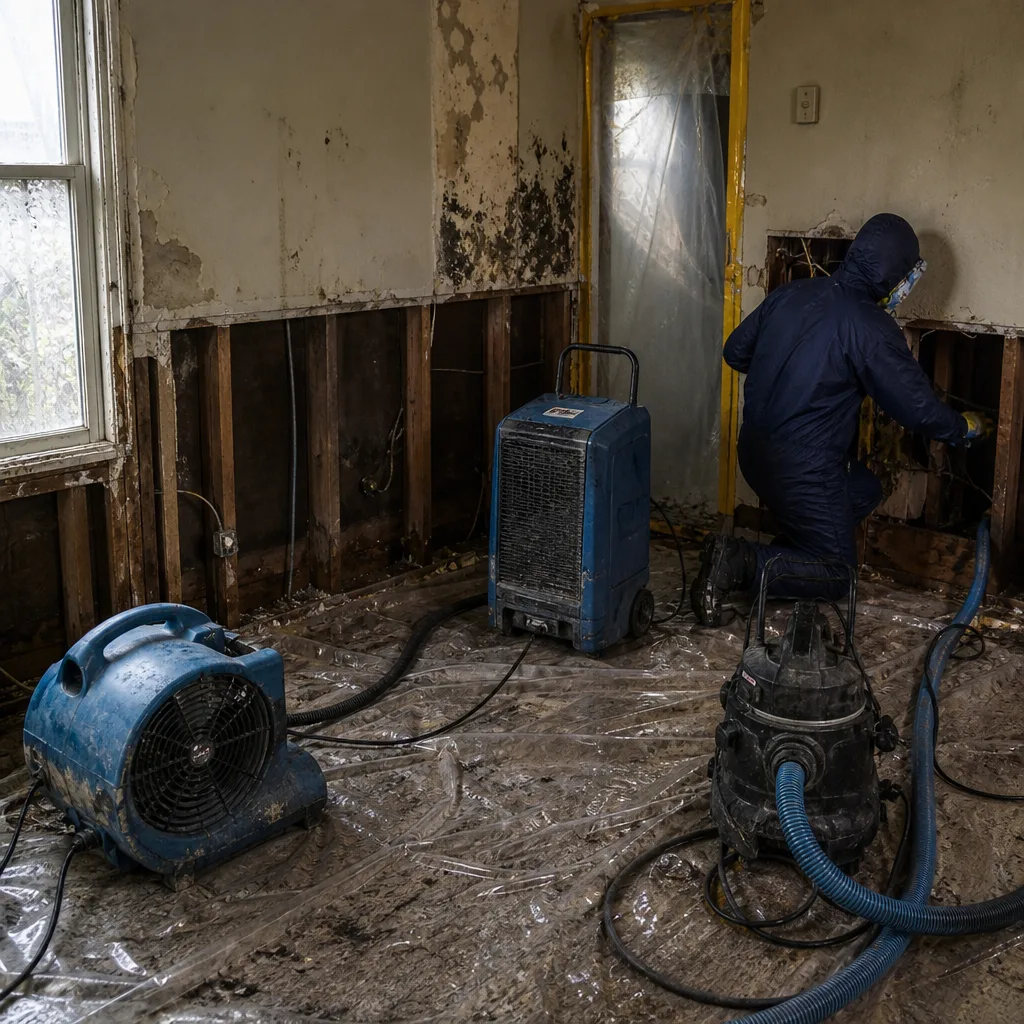 Before
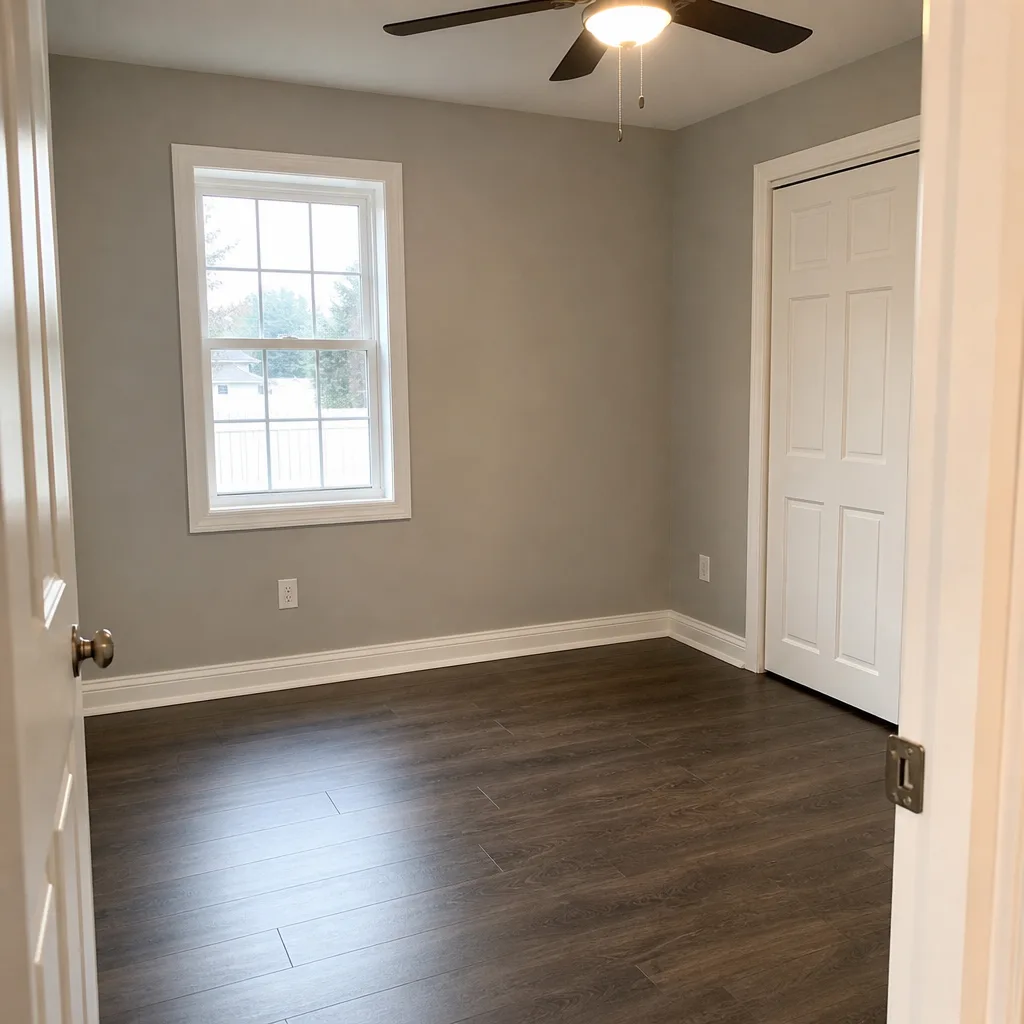 After
After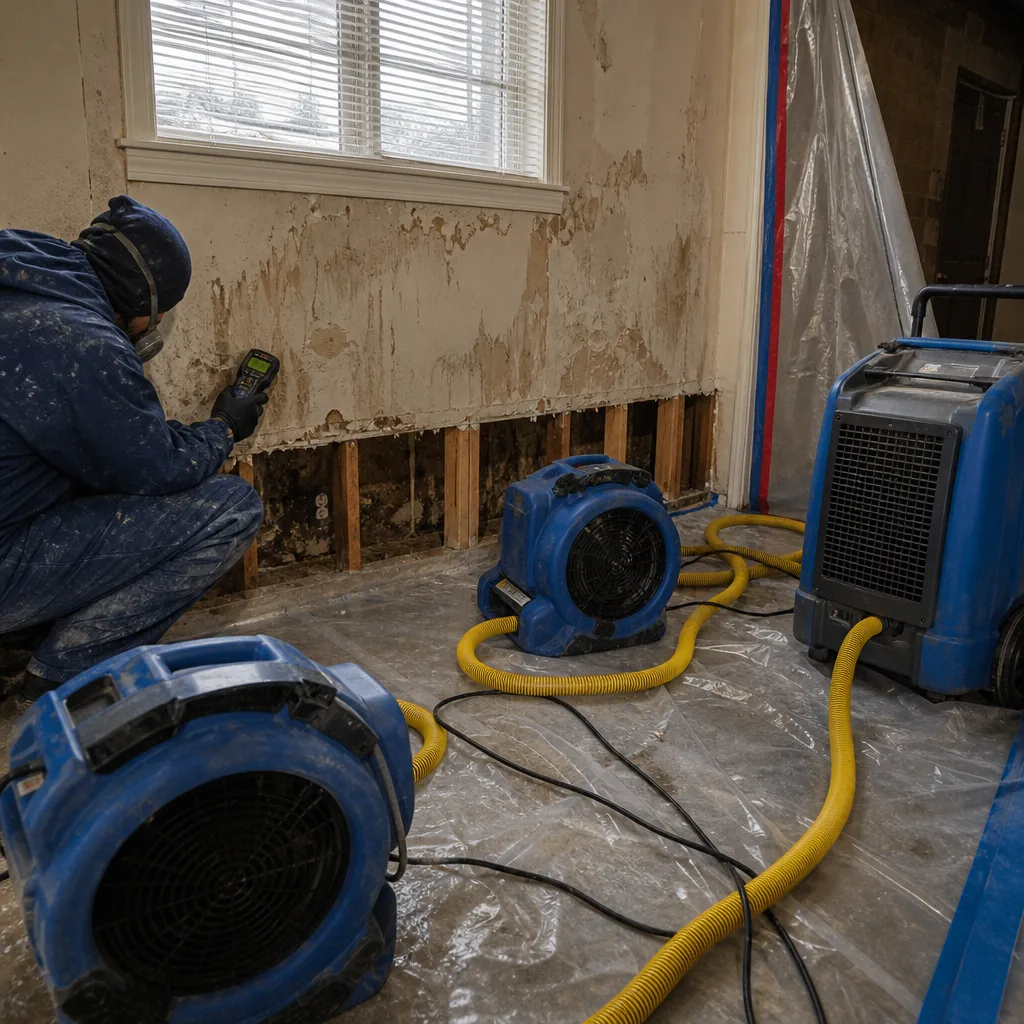 Before
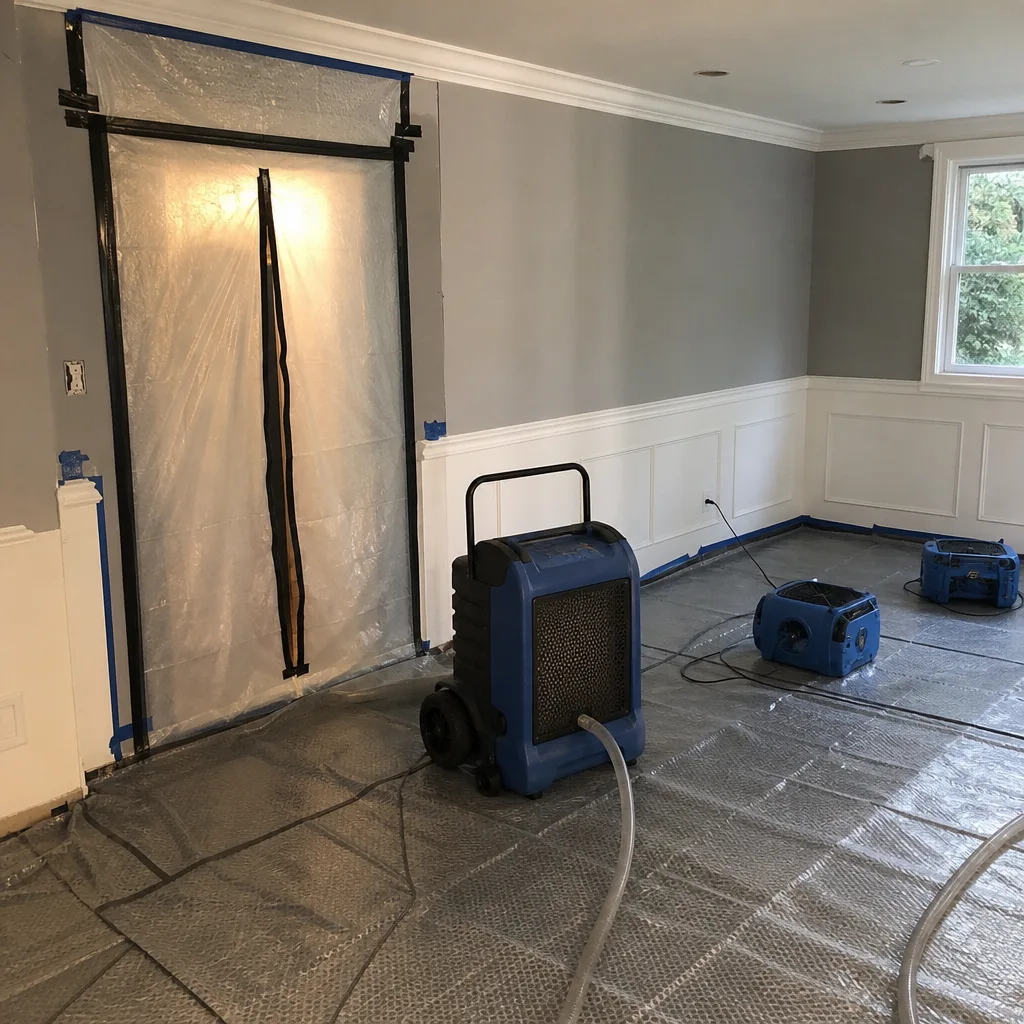 After
After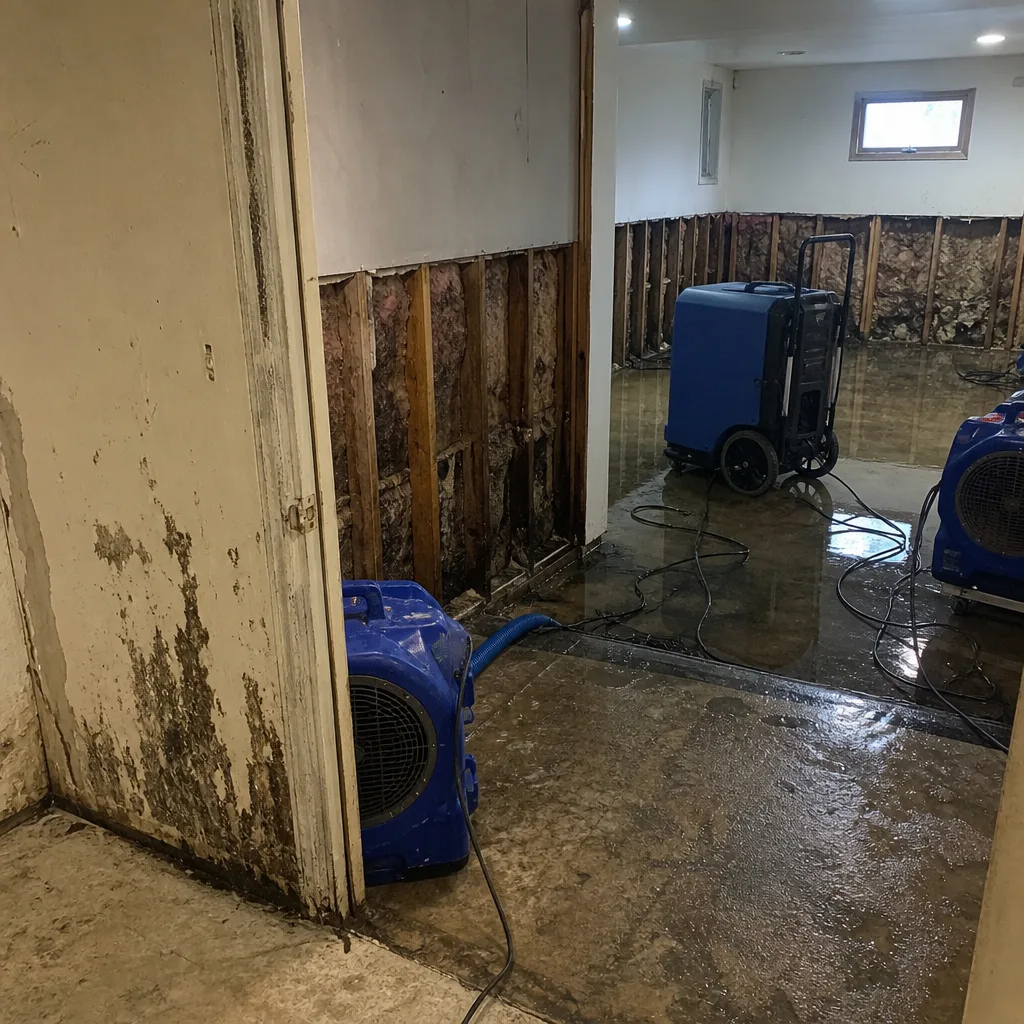 Before
 After
After