
Last updated October 16, 2026
 Water damage drying
 Fire & smoke cleanup
 Mold remediation
 Storm response
 Sewage cleanup
 Reconstruction
Free visual inspection and a written scope of work before any mitigation begins - photos, moisture readings, and drying logs go in your claim file
The scope we write is the scope we bill. Anything new gets shown to you, in writing, before we touch it.
Get your free estimateSeasonal Damage Restoration Care for Hempstead: Year-Round Homeowner’s Guide
Hempstead gets more than 47 inches of rain a year, plus direct exposure to Atlantic storm systems that roll up the Long Island coast. Yet most homeowner guides treat this town like an inland suburb with a standard four-season checklist. That misses the real story: brackish groundwater, nor’easter-driven storm surges, and a February freeze-thaw cycle that quietly splits older masonry. This guide maps the actual seasonal risks Hempstead homeowners face, month by month, and gives you specific steps to stay ahead of them, while our more guides & resources cover related topics in depth.
Quick Answer
Seasonal damage prevention in Hempstead means preparing for four distinct threats: late-fall nor’easters, February freeze-thaw foundation cracking, spring sump pump overwhelm, and late-summer hurricane conditions. The most effective approach is a rotating calendar of inspections and pre-storm actions tied to Hempstead’s specific coastal climate, not a generic national checklist-something our Water Damage Restoration Maintenance Checklist for Hempstead Homeowners lays out in detail.
Restoration work we handle
Table of Contents
- Fall Nor’easter Prep: The Storm Season Starts Before You Think
- Freeze-Thaw Foundation Cracking: Why February Is the Silent Damage Month
- Spring Sump Pump Overwhelm: When Groundwater Wins
- The Second Thaw: March Roof Intrusion in Older Ranch Homes
- Summer Mold-Watch Protocol for Crawl Spaces
- The 48-Hour Pre-Storm Window: Hempstead-Specific Hurricane Prep
- How Coastal Humidity Changes Structural Drying Timelines
- Common Mistakes to Avoid
- When to Call a Professional
- Frequently Asked Questions
Fall Nor’easter Prep: The Storm Season Starts Before You Think
Most Hempstead homeowners think storm season begins with the first hurricane watch in August. That’s three months late. Nor’easters here typically start building in late October and peak from November through January. These storms push Atlantic water into the South Shore inlets, and when the wind shifts onshore, Hempstead’s low-lying neighborhoods see street flooding that creeps toward foundation lines. Our Water Damage Restoration in Hempstead team gets more calls in November than any other month except August.
What makes nor’easters different from summer hurricanes is duration. A hurricane passes in hours. A nor’easter can sit offshore for two days, piling water against the coast through multiple tide cycles. That extended pressure gives groundwater time to saturate soil and find every crack in your foundation or basement floor.
Here’s a fall checklist that matches Hempstead’s actual storm pattern:
- Clean and test your sump pump in early October. Pour a bucket of water into the pit and confirm the float switch triggers. If it runs but doesn’t pump, check the discharge line for clogs before the first storm arrives.
- Clear window wells and basement stairway drains. Hempstead’s older homes often have exterior basement stairs with drains at the bottom. One fall of leaves plus a nor’easter equals a flooded basement entrance.
- Check your gutters for proper pitch. During a heavy nor’easter, a single sagging gutter section can direct hundreds of gallons toward your foundation instead of away from it.
- Inspect your basement walls for efflorescence. That white chalky residue is a sign groundwater has already pressed through masonry. Mark it, photograph it, and watch whether it grows after the first heavy rain.
In our experience, Hempstead homes within a half-mile of the Southern State Parkway tend to see higher groundwater pressure during nor’easters because the soil there holds more surface runoff. That’s not a problem you solve in a weekend, but it is one you should plan for before November.
Freeze-Thaw Foundation Cracking: Why February Is the Silent Damage Month
February is the month Hempstead homeowners discover foundation cracks they never knew they had. The mechanism is simple: daytime temperatures climb above freezing, snowmelt seeps into hairline masonry cracks, and nighttime temperatures drop back below 32 degrees. Water expands about 9% when it freezes. That expansion widens the crack. Repeat that cycle 20 times in a single February and a thin line becomes a structural gap.
Hempstead’s mid-century housing stock is especially vulnerable. Homes built in the 1950s and 1960s often used concrete block foundations without the water-resistant barriers common in newer construction. Add the freeze-thaw cycling Long Island gets every winter, and those blocks take a beating.
What to watch for each February:
- Horizontal cracks in basement walls. Vertical cracks are often settlement-related and stable. Horizontal cracks suggest lateral soil pressure, which is more serious.
- Cracks that widen after a snowmelt. Mark the end of a crack with painter’s tape and a date. Check it weekly through February. If the crack passes your mark, call a professional.
- Doors that suddenly stick. When a foundation shifts, door frames shift with it. A door that sticks in February but not in summer is a freeze-thaw signal.
- New diagonal cracks around basement windows. Window corners are stress points. Cracks forming there during freeze-thaw season mean water is getting into the block more than once.
- Float switches jammed by debris. Spring runoff carries sediment that settles in the sump pit. A float switch that can’t move won’t trigger the pump.
- Discharge lines frozen underground. If your discharge line exits below the frost line, it can stay frozen into late March. The pump runs, but the water has nowhere to go, so it recirculates into the pit.
- Overwhelmed pumps that run continuously. A pump that cycles every 5 minutes during a wet week is working at the edge of its duty cycle. Most residential pumps aren’t rated for that kind of continuous use.
- Power outages during spring storms. Sump pumps run on electricity. A spring thunderstorm that knocks out power for two hours while the water table is high can fill a basement.
- January ice dams form along the eaves, trapping meltwater behind them.
- The trapped water sits against the roof, seeping under shingles and into the underlayment.
- Temperatures stay cold enough that the water freezes in place, masking the damage.
- March warms up. The ice dam collapses, the trapped water releases, and suddenly homeowners see ceiling stains, bubbling paint, or water running down interior walls.
- Measure humidity, don’t guess it. Get an inexpensive digital hygrometer and place it in the crawl space. Target relative humidity is below 60%, ideally 45% to 55%. If you’re running above 65% in July, you’re in the mold risk zone.
- Check for condensation on ductwork. If your HVAC ducts run through the crawl space, condensation on their exterior is a sign the space is too humid. That moisture drips onto soil, raising the local moisture level further.
- Inspect the vapor barrier. If you have a plastic sheet over the soil, check that it’s intact and overlapping at the seams. Torn or shifted vapor barriers let soil moisture evaporate directly into the crawl space air.
- Look at the rim joists. These are the most common spot for crawl space mold growth in Hempstead because they’re the coolest surface in the space and the first place condensation forms. Discoloration, dark staining, or musty odor near the rim joists means mold is already active.
- Address the moisture source before treating mold. If your crawl space is humid from a groundwater seep or a plumbing leak, no amount of mold-killing product will solve the problem. The moisture source has to be fixed first.
- Evacuation zones are different. Hempstead’s storm surge risk comes primarily from South Shore inlets and back bays, not open ocean. Storm water doesn’t just crash over a sea wall; it rises from the groundwater table as the surge pushes inland. That means basements flood even in neighborhoods you wouldn’t expect.
- Power outages tend to last longer here than in hurricane-hardened regions. Long Island’s overhead power lines and tree canopy mean a Category 1 storm can knock out power for days, not hours. Your sump pump will lose power. Plan for that specific failure.
- Nor’easter experience helps, but it’s not the same. If you’ve weathered nor’easters, you know how to prepare for wind and water. Hurricanes bring higher surge, often faster, and with less warning. The pre-storm window is shorter.
- Move basement valuables to the highest floor. Not the basement stairs, not a low shelf. The top floor. Storm surge can fill basements to the floor joists in the worst-case scenarios.
- Clear storm drains near your property. Hempstead street drains clog with leaves and debris fast. A single plastic bag over a drain grate can flood a whole block for hours.
- Charge your sump pump backup battery. If you have a battery backup system, charge it fully. If you don’t, consider a portable pump that can run from a generator or a 12V battery. Even a manual pump is better than nothing when the basement is filling.
- Photograph your pre-storm condition. Walk every room, every wall, every floor, and every piece of mechanical equipment. Take clear, dated photos. If you file an insurance claim, these photos are the baseline for proving what the storm damaged versus what was already there.
- Move outdoor furniture and debris away from foundation lines. Wind-borne objects can break basement windows, which then let surge water in. Anything that can fly needs to go inside or be tied down.
- Know your insurance policy’s water damage coverage. Standard homeowners policies cover wind-driven water damage. Flood insurance is separate. Before the storm, check what you have so you know how to respond after.
- Drying is a process, not an event. If a restoration company tells you your basement will be dry in 24 hours, ask them how they’re accounting for Hempstead’s outdoor humidity. Proper structural drying requires continuous moisture monitoring, not a single reading.
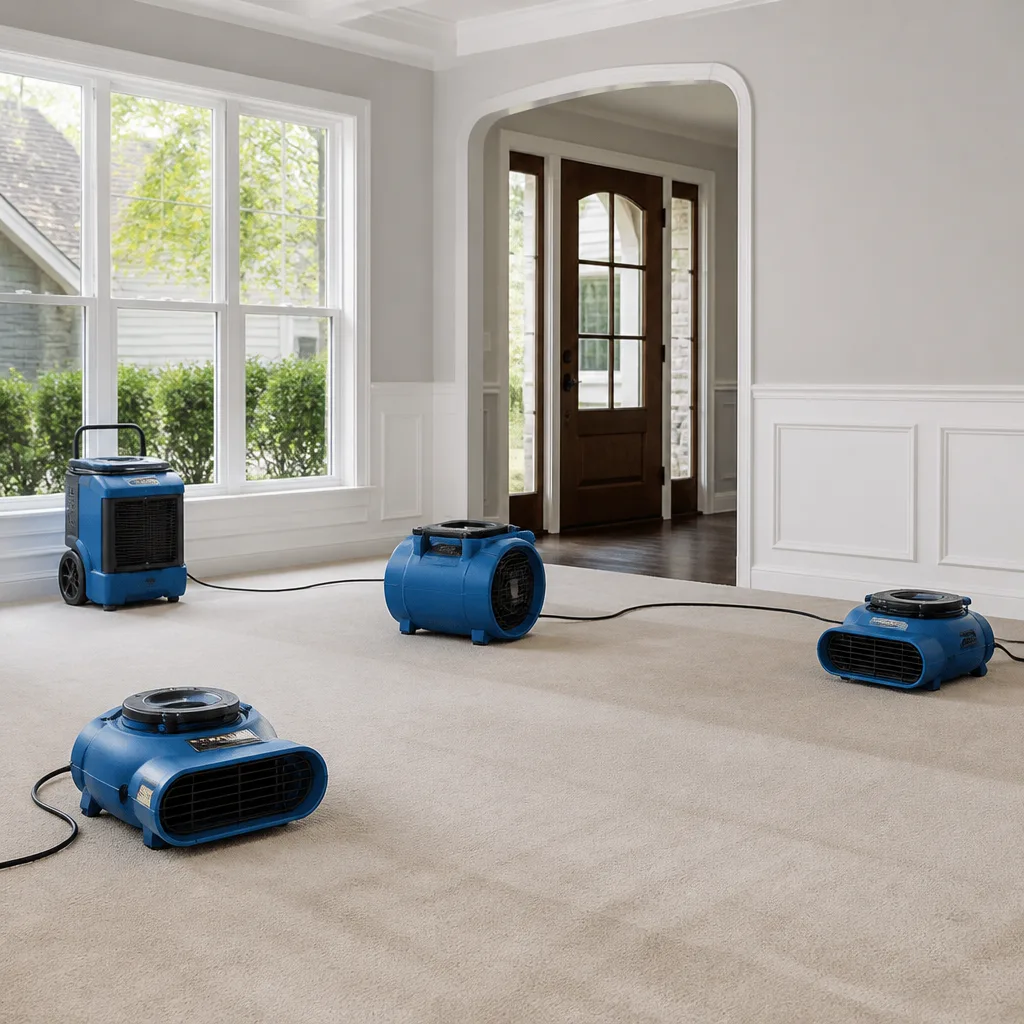
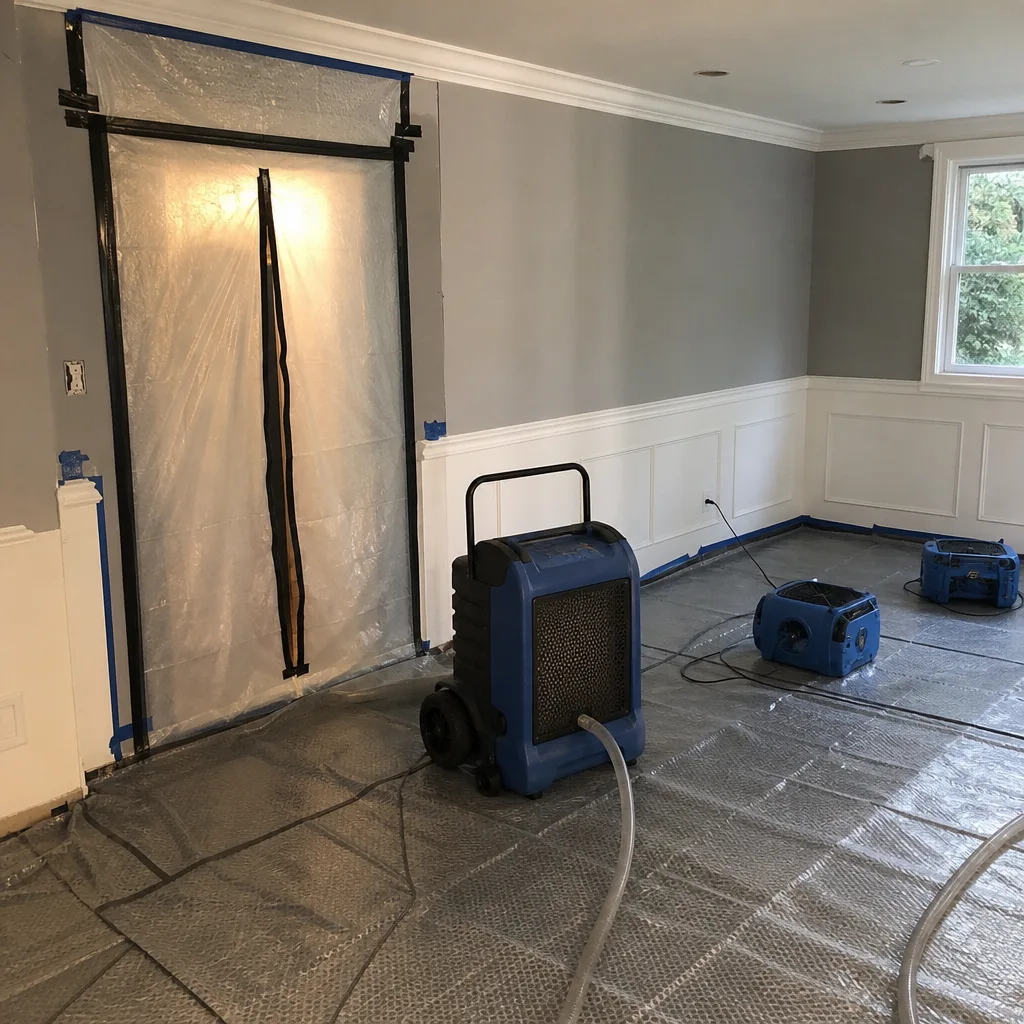
- Equipment matters more here. Professional dehumidifiers like the Dri-Eaz, Phoenix, and B-Air units we run pull moisture from the air faster than consumer units. In a high-humidity environment like Hempstead, that capacity difference is the gap between a dry house and a mold problem.
- Don’t turn off the dehumidifiers too early. The surface may feel dry while the wall cavity still holds moisture. That’s how hidden mold starts. We follow IICRC and RIA standards for moisture content verification, which means taking readings at multiple depths, not just at the surface.
- Basement humidity tracking should continue for weeks after a water event. Even after professional drying, Hempstead’s ambient humidity means your basement will trend toward moisture. A hygrometer that reads above 60% a week after drying is telling you something is still releasing water.
- Using a consumer dehumidifier after a flood. A $200 basement dehumidifier removes about 20 to 30 pints of water per day. A flooded basement may hold 50 to 100 gallons of water in the walls and floor. Consumer units can’t keep up with that volume in Hempstead’s humid air, and running one for weeks creates a false sense of progress while mold grows inside the wall cavities.
- Sealing foundation cracks from the inside only. Interior sealants can stop water from entering the basement, but they don’t stop water pressure from building up in the soil outside. In Hempstead’s high-water-table neighborhoods, that trapped pressure finds a new path. The crack “fix” fails and the wall may crack elsewhere.
- Ignoring a musty smell because you can’t see mold. Hempstead crawl spaces hide mold behind insulation, under vapor barriers, and inside rim-joist cavities. A musty smell means active mold somewhere. Waiting to address it only increases the remediation cost and the health risk.
- Assuming your insurance covers all water damage automatically. Gradual groundwater seepage and poor drainage are typically excluded from homeowners policies. Storm surge requires a separate flood policy. Before spending money on repairs, know what your policy covers so you can document damage correctly.
- Waiting to call after water damage because it’s midnight. Water doesn’t pause at 9 PM. Every hour of standing water in Hempstead’s humid climate allows more moisture to wick up drywall and into wood framing. The restoration cost difference between 4 hours and 24 hours is significant.
- Treating every water stain as “just cosmetic.” A stain on your ceiling in March could be the first visible sign of a leak that’s been active in your attic for weeks. What looks like a paint issue may be the tip of a mold and structural problem.
- Running a box fan to “air out” a flooded basement. In Hempstead’s summer humidity, blowing outside air into a wet basement often makes things worse. You’re pushing 70% humidity air into a space that needs to reach below 60% to dry properly. Fan airflow without dehumidification just moves moisture around.
The fix for freeze-thaw damage isn’t a February project in most cases. What you can do in February is document and monitor. Photograph every crack. Measure it. Track it across multiple freeze-thaw cycles. That record helps any professional assess whether you need Water Damage Repair in Hempstead or whether the crack is dormant and can be sealed.
Spring Sump Pump Overwhelm: When Groundwater Wins
Every spring, Hempstead sump pumps fail in predictable ways. The water table rises as winter snowmelt filters down through Long Island’s sandy soil. Even without rain, that saturated soil presses water against basement walls and floors. Add a few inches of March rain, and a sump pump that worked fine all winter suddenly runs every 20 minutes.
The failure isn’t usually the pump itself. What we see in Hempstead is a pattern of secondary failures:
The single most effective Hempstead-specific spring action: test your sump pump in late February, before the first big thaw. Don’t wait until you hear water running. A backup pump or a battery-powered alarm costs a fraction of what a flooded basement costs. If you’re not sure whether your current pump is rated for your basement’s water volume, a professional can calculate it based on your home’s footprint and the water table in your specific Hempstead neighborhood.
The Second Thaw: March Roof Intrusion in Older Ranch Homes
Here’s a pattern most national guides miss entirely. Hempstead’s older ranch homes, built in the 1950s and 1960s, have shallow roof pitches and limited attic ventilation. During a typical winter, snow accumulates on the roof. Heat leaking from the living space warms the roof deck unevenly, melting snow from underneath. In January, that meltwater refreezes at the roof edge, forming an ice dam.
But the real damage often doesn’t show up until March. Here’s the sequence:
That March surprise is what we call the “second thaw.” The winter looked safe because the damage was frozen in place. When it thawed, the water finally moved.
If you see a ceiling stain appear in March, don’t assume a new roof leak just started. It may be the release valve for a leak that’s been sitting in your roof assembly for six weeks. That water has had time to soak insulation, reach drywall, and create the conditions for mold before you ever saw a stain. At that point, what looks like a simple roof repair often needs Mold Remediation in Hempstead to address what grew while the moisture was trapped.
Summer Mold-Watch Protocol for Crawl Spaces
Hempstead’s mid-century housing stock includes thousands of homes with crawl spaces instead of full basements. Those crawl spaces become mold incubators every summer. The problem is coastal humidity. Nassau County summer air regularly holds 70% to 80% relative humidity. When that air enters a crawl space and hits cooler soil, the relative humidity near the soil surface can climb above 90%. Mold needs about 60% relative humidity on a surface to start growing. A Hempstead crawl space in August is essentially a petri dish.
What makes this a Hempstead-specific issue is the combination of factors: high ambient humidity, shallow water tables in low-lying neighborhoods, and older construction that predates modern vapor barrier standards. Many of these crawl spaces have bare soil floors and only partial insulation.
Here’s a summer mold-watch protocol for Hempstead crawl spaces:
Crawl space encapsulation is a permanent fix for many Hempstead homes, but it’s not a DIY weekend project. What you can do is monitor humidity through the summer, document any visible mold, and get a professional assessment before September, when cooler nights start changing the condensation pattern again.
The 48-Hour Pre-Storm Window: Hempstead-Specific Hurricane Prep
When the National Hurricane Center puts Hempstead in the forecast cone, you have about 48 hours before conditions deteriorate. Most hurricane prep guides are written for Florida or the Gulf Coast. Hempstead’s situation is different in specific, practical ways:
Here’s a Hempstead-specific 48-hour hurricane prep list:
After the storm passes, the critical 24 hours are when restoration decisions matter most. Quick action to extract standing water and start structural drying can prevent what would otherwise become weeks of repair and Mold Remediation in Hempstead work.
How Coastal Humidity Changes Structural Drying Timelines
Here’s something most restoration guides get wrong for Hempstead specifically, as our Complete Guide to Damage Restoration in Hempstead explains: drying a structure here takes longer than the standard industry formulas predict. The reason is coastal humidity. Nassau County’s relative humidity averages 65% to 75% during the summer months. When the air outside holds that much moisture, the air inside your home can’t dry structure as quickly as it would in a drier climate, even with professional drying equipment running.
The technical term is psychrometric drying: tracking the air’s moisture content, temperature, and dew point to calculate how fast building materials release water. On Long Island, that calculation changes. The same wet wall that dries in 72 hours in Phoenix might take 5 or 6 days in Hempstead because the ambient air keeps rehumidifying the space.
What this means for homeowners:
Understanding this changes how you evaluate restoration work. A company that rushes drying in Hempstead’s climate is setting you up for a mold problem six months later. A company that tracks moisture over days, using professional equipment and proper verification standards, is doing it right.
Common Mistakes to Avoid
When to Call a Professional
Call a professional when standing water covers more than a few square feet, when the water source is contaminated (sewage, storm surge, brackish groundwater), when you smell mold but can’t find it, when a foundation crack is widening across freeze-thaw cycles, or when a sump pump fails during a storm. These aren’t DIY situations. Wendell Restoration Hempstead offers free estimates in Hempstead; call (516) 559-6972 and a live person answers, day or night. We give you a written price before any work starts, and our 365-Day Done Right Promise means we stand behind the repair. That phone call costs nothing, and it might be the cheapest step you take all year.
Frequently Asked Questions
Water damage restoration in Hempstead typically ranges from $2,500 to $7,500 for a contained basement flood, while more extensive events involving multiple rooms or contaminated water can run $10,000 to $25,000 or more; see our Damage Restoration Cost Breakdown: The Hempstead Homeowner’s Reference for 2026 for full details. The exact cost depends on the square footage affected, the water category, and how long the water sat before drying began. Call (516) 559-6972 for a written estimate; we provide the price before any work begins.
Coverage depends on the cause: sudden pipe bursts and storm-driven wind damage are typically covered, while gradual groundwater seepage and maintenance-related failures are usually excluded, and storm surge flooding requires a separate flood policy. Document everything with photos before cleanup begins, and keep receipts. Our team works directly with adjusters and provides photo documentation to support your claim.
Wendell Restoration Hempstead answers calls 24/7 with a live person, not a voicemail, and we dispatch background-checked, uniformed technicians with a live arrival time you can track. In most Hempstead neighborhoods, we can be on-site within hours, not days. Speed matters in this climate because standing water in humid air accelerates mold growth.
If mold growth covers more than about 10 square feet, or if it’s growing inside wall cavities or your HVAC system, professional remediation is needed; surface cleaning only treats visible mold and doesn’t remove the moisture source or hidden growth. A musty smell with no visible mold usually means it’s growing where you can’t see it. We follow IICRC and RIA standards, which means we test and verify the mold is gone, not just bleach what you can see.
Hempstead’s 65% to 75% summer humidity means structural materials dry slower here than in drier climates, because ambient air keeps reintroducing moisture. Professional drying in Hempstead requires continuous psychrometric monitoring and commercial-grade dehumidifiers; consumer equipment can’t keep up with the moisture load and often masks incomplete drying that leads to hidden mold. Call (516) 559-6972 to get an honest assessment of your drying timeline.
First, shut off the water source if you can do so safely; if it’s an electrical hazard, shut off power at the breaker before entering. Second, photograph everything for your insurance claim. Third, remove what you can safely move to a dry area. Fourth, call (516) 559-6972. A live person answers 24/7, and the faster professional drying starts, the less total damage you’ll deal with.
The Bottom Line
Hempstead’s seasonal damage pattern isn’t like the rest of the country. Nor’easters in late fall, freeze-thaw foundation stress in February, spring sump pump failure, the March second thaw, and summer crawl space mold are all predictable, which means they’re all preventable with the right seasonal attention. The most important habits are documenting problems early, understanding that Hempstead’s coastal humidity changes how your home dries, and acting fast when water appears. If you hit a problem you can’t solve yourself, Wendell Restoration Hempstead is one call away at (516) 559-6972. You’ll get a live person, a written price, and a guarantee on the work.
Written by Blake Sorensen, Owner at Wendell Restoration Hempstead, serving Hempstead since 2006.
See the difference
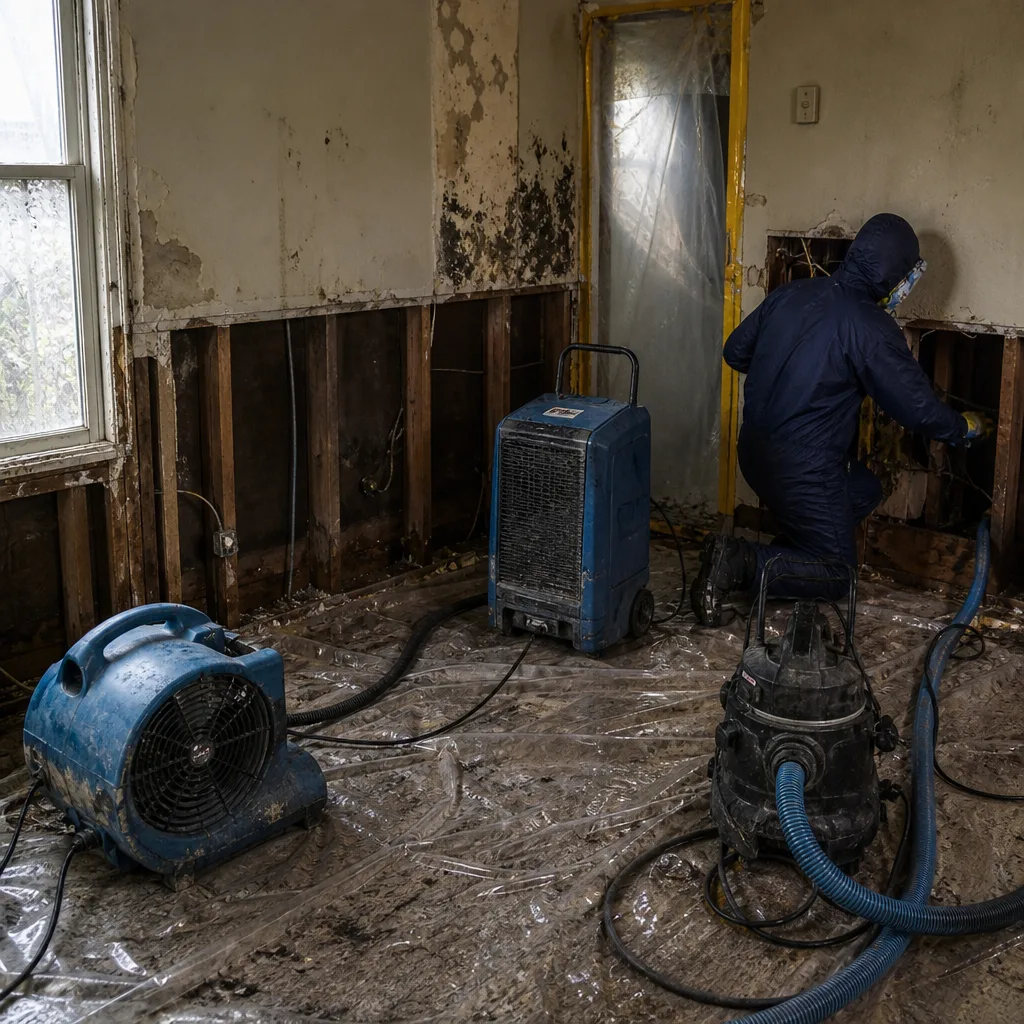 Before
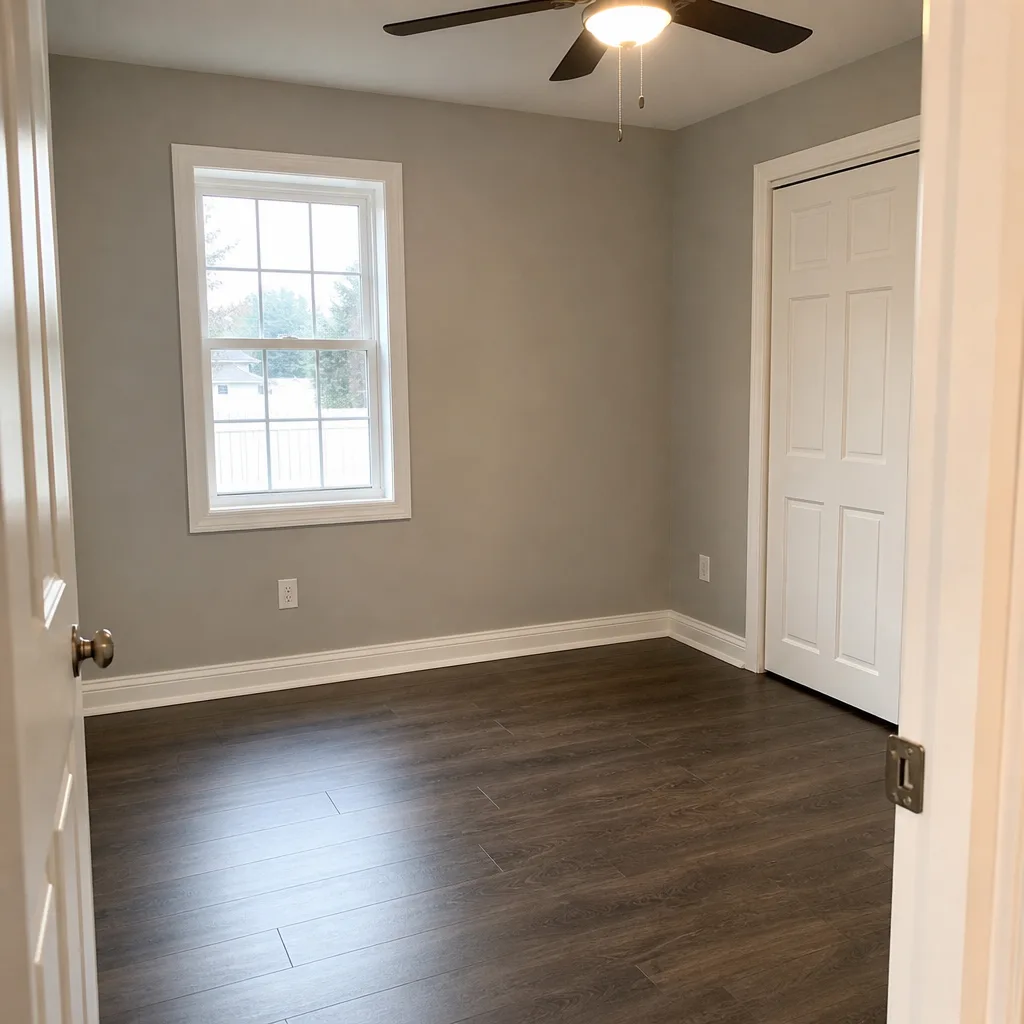 After
After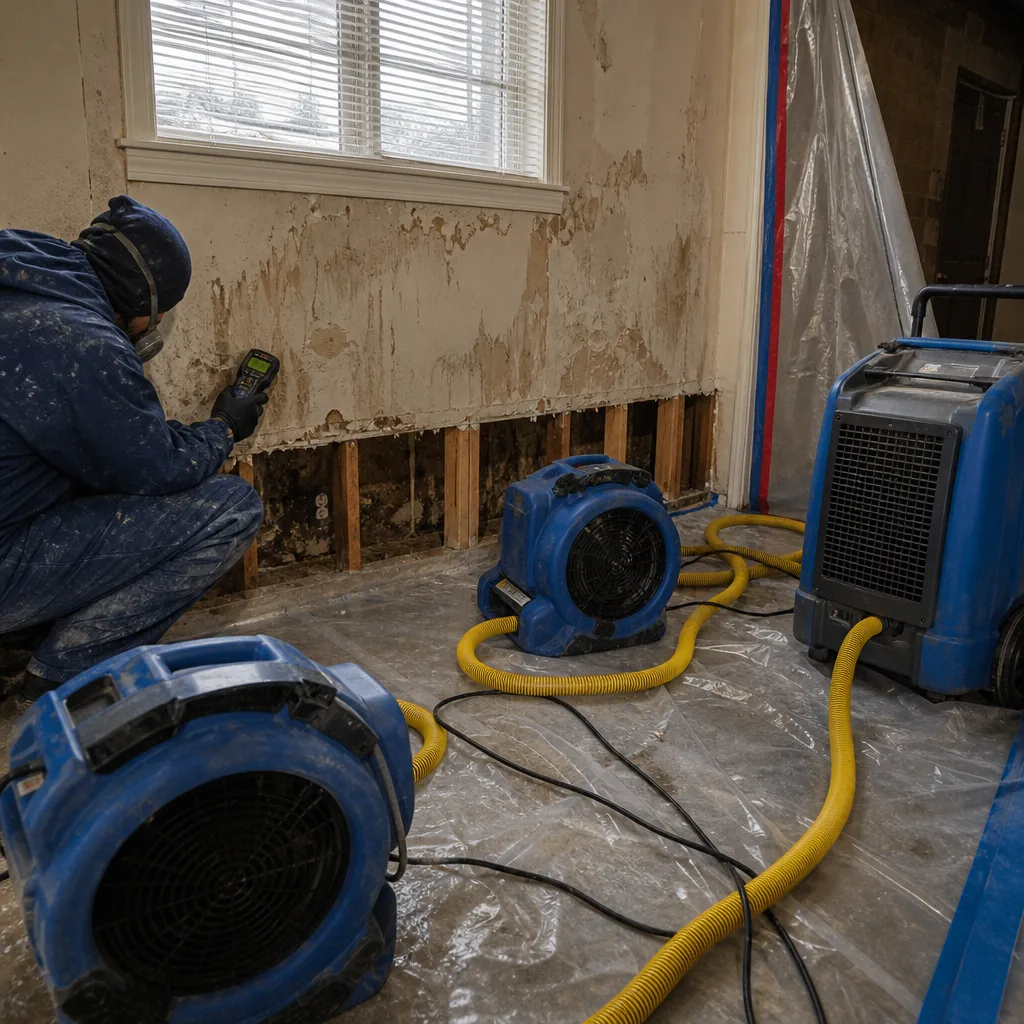 Before
 After
After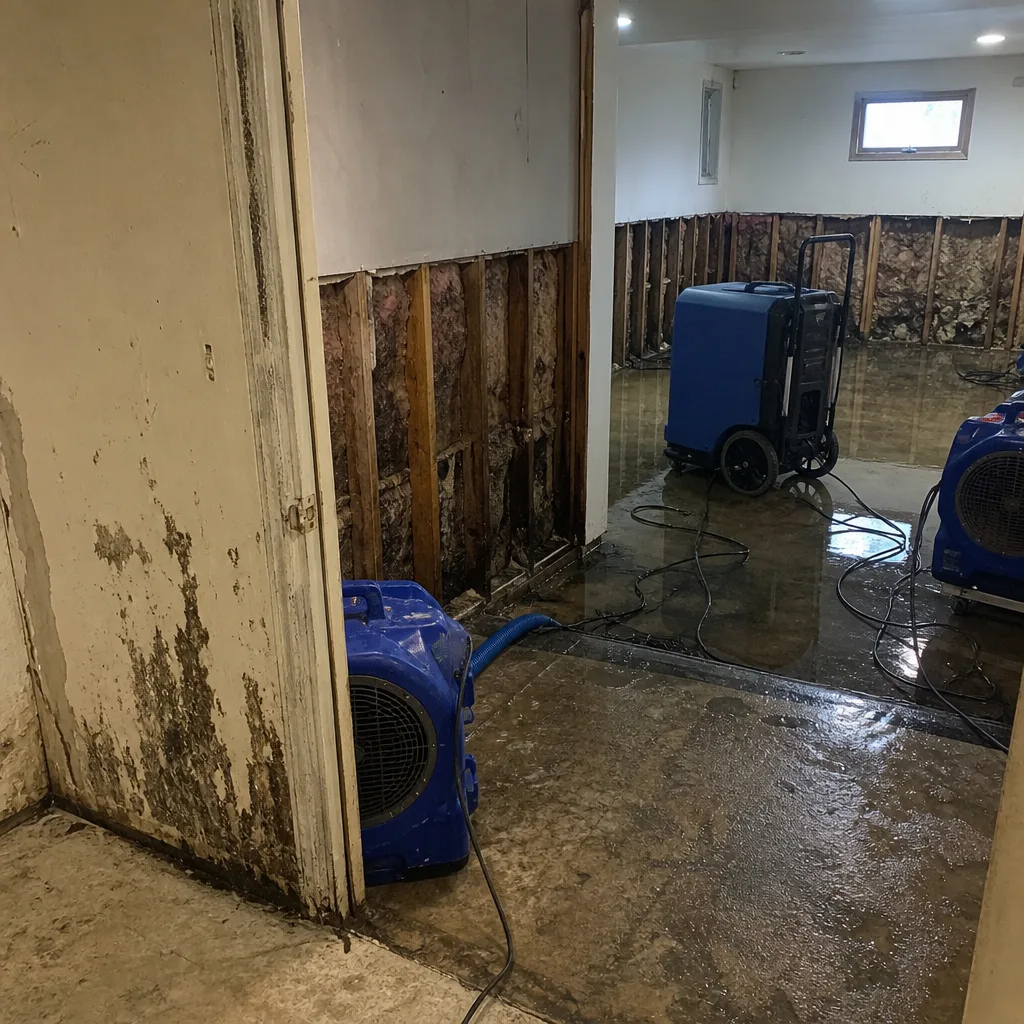 Before
 After
After