
Last updated October 16, 2026
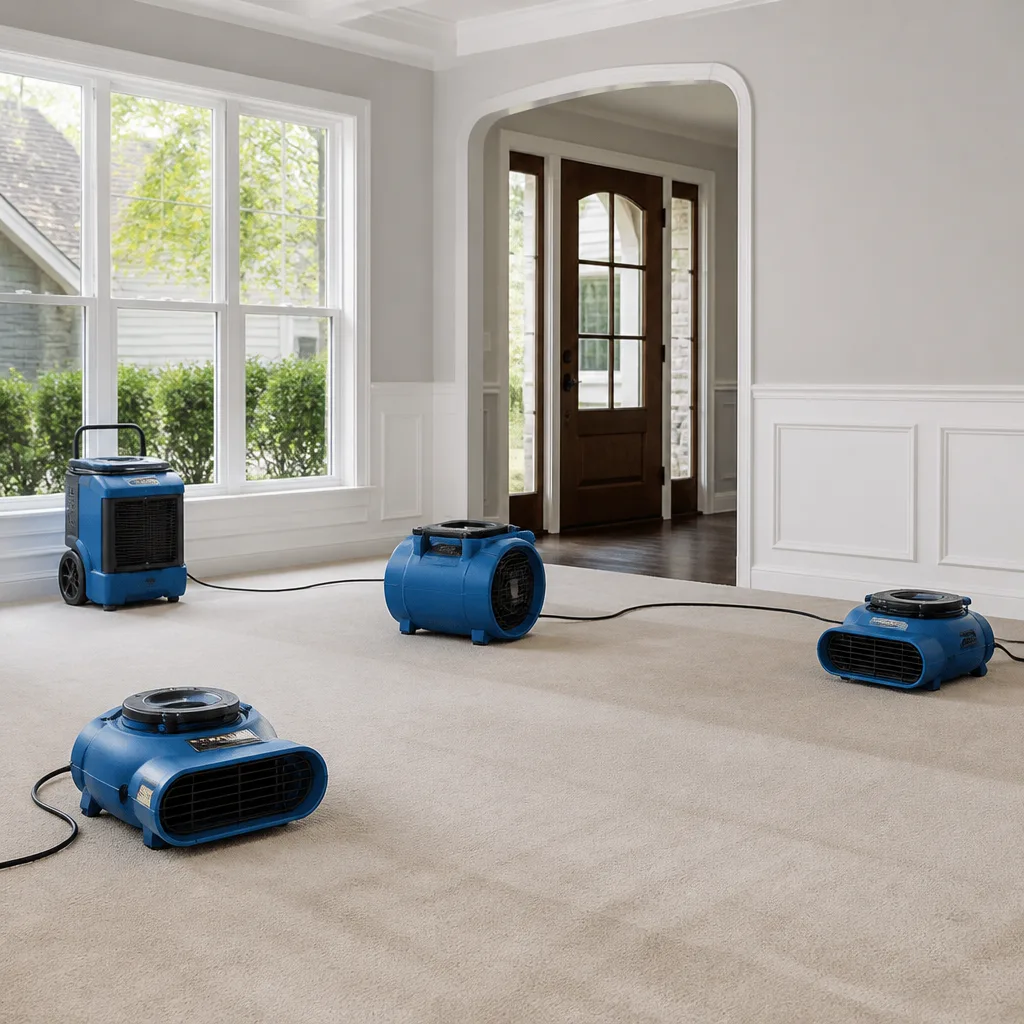 Water damage drying
 Fire & smoke cleanup
 Mold remediation
 Storm response
 Sewage cleanup
 Reconstruction
Free visual inspection and a written scope of work before any mitigation begins - photos, moisture readings, and drying logs go in your claim file
The scope we write is the scope we bill. Anything new gets shown to you, in writing, before we touch it.
Get your free estimateDamage Restoration Warning Signs: A Hempstead Homeowner’s Reference Guide
A door that sticks in January but swings fine in July is not a humidity quirk. In Hempstead, where winter soil freezes and spring rains saturate the ground around foundations, that door is often telling you something structural has been shifting for months. Most homeowners in Nassau County dismiss the earliest damage warning signs as cosmetic annoyances: a faint musty smell, a paint bubble on the baseboard, grout cracking in the bathroom tile. Those same clues are exactly what trained restoration technicians use to locate hidden moisture before it becomes a five-figure repair. This guide decodes the warning signs that Hempstead homeowners should never ignore, explains what each one actually indicates, and tells you when to grab a moisture meter versus when to pick up the phone. For how to hire a damage restoration contractor in Hempstead: a step-by-step guide, see our companion resource.
Quick Answer
The most common water damage warning signs in Hempstead homes are a persistent musty odor (indicating active mold colonies), efflorescence or white mineral deposits on basement walls, nail pops in drywall, baseboards pulling away from walls, and rust stains on attic nails or vents. Any of these paired with a moisture meter reading above 17% inside a wall warrants a professional inspection. A water stain with a visible tide line on a basement wall means past flooding has occurred and needs documentation even if the surface feels dry now.
Restoration work we handle
Table of Contents
- What a Musty Odor Actually Tells You
- Five Cosmetic Signs That Are Actually Structural Warnings
- How to Use a $30 Moisture Meter Before You Call Anyone
- What Tide Line Stains Reveal About Past Flooding
- Three Signs That Need Same-Day Response vs. Scheduled Inspection
- Why Hempstead’s Climate Makes These Signs Worse
- Documenting Warning Signs for Insurance Claims
- Common Mistakes to Avoid
- When to Call a Professional
- Frequently Asked Questions
What a Musty Odor Actually Tells You
A musty smell is not a cleaning problem. It is a chemical signal. When mold colonies are actively growing, they release microbial volatile organic compounds, abbreviated MVOCs, into the air. Your nose detects MVOCs at incredibly low concentrations, which means by the time you notice the smell, the colony has been established for weeks or months, not days. Air fresheners mask the odor but do nothing to the MVOC source, and scented candles actually make the situation worse by adding particulates that bind to MVOCs and settle into fabrics.
In our experience working in Hempstead basements, the most common MVOC sources are hidden: the back side of drywall after a slow pipe leak, the underside of carpet padding after a slab wicking event, or the cavity behind a bathtub surround where a drain gasket failed. The smell gets stronger on humid days because mold releases more MVOCs when moisture is available, which is why Hempstead summers make musty odors in older homes suddenly obvious. If the smell is strongest near a wall shared with a bathroom, remove the escutcheon plate around the shower valve and smell inside the wall cavity. If the smell is strongest at the baseboard line in a finished basement, the moisture is almost certainly coming up through the slab, not down from a leaking pipe.
A professional Mold Remediation in Hempstead inspection starts with finding the moisture source, because killing mold without stopping the water is a temporary fix. The MVOC odor goes away only after the colony is physically removed and the affected materials are dried to IICRC standards.
Five Cosmetic Signs That Are Actually Structural Warnings
Hempstead homeowners regularly point at the same five “little things” and ask us if they should worry. Most of the time, yes. Here is what each one actually indicates, and for DIY vs professional damage restoration: the Hempstead homeowner’s decision guide, keep reading.
1. Efflorescence on Basement Walls
That white, chalky powder on your concrete or block foundation walls is called efflorescence. It forms when groundwater moves through the porous masonry, carrying dissolved salts to the surface. As the water evaporates, the salts remain behind as a white crust. Efflorescence is not just ugly. It is proof that water is moving through your foundation wall on a regular basis. In Hempstead, where the water table sits high in neighborhoods like Uniondale and South Hempstead, efflorescence on the interior wall means hydrostatic pressure is actively pushing groundwater through the concrete. Brushing it off does nothing because the water keeps coming. A water damage restoration company will look at the height of the efflorescence band to gauge how high groundwater rises during wet seasons.
2. Nail Pops in Drywall
A nail pop looks like a small circle or crack in the paint where a drywall nail or screw head has pushed outward. In a home under ten years old, a few nail pops are normal settling. In a home over fifteen years old, nail pops that appear suddenly, in clusters, or on interior walls away from door frames are a moisture signal. Wood framing expanded as it absorbed water, then the drywall lost its grip on the fastener. Clusters of nail pops on a ceiling below a bathroom or on a wall adjacent to a laundry room are the most common locations we see in Hempstead houses built before 1980, especially in the Colonial-style homes around Hempstead Turnpike.
3. Floor Tile Grout Cracking
Grout cracking in a diagonal line across a tile floor, or grout that crumbles out completely in a specific zone, indicates subfloor movement. Water intrusion from below swells the plywood or OSB subfloor, which flexes the tile assembly and forces the grout to fail. This is different from grout wearing out from age, which happens evenly across the whole floor. A localized crack pattern on a first-floor bathroom or kitchen in Hempstead, especially on slab-on-grade homes, points toward a supply line leak under the slab or wicking from groundwater. Tile floors hide moisture for a long time because the tile itself is waterproof. By the time grout fails, the subfloor has been wet for months.
4. Baseboard Separation
When a baseboard pulls away from the wall at the bottom edge, leaving a gap you can fit a credit card into, the wall assembly behind it has swollen. The baseboard is nailed to the bottom plate of the wall framing. When that plate absorbs water, it expands, pushing the baseboard outward. This is one of the most reliable early indicators of a slow leak inside a wall cavity, and in Hempstead, we find it most often in kitchens under the sink supply lines, in bathrooms behind toilets, and in finished basements where the bottom plate sits directly on the slab without a proper vapor barrier. A small gap may be harmless. A gap that grows wider in wet weather is not.
5. Attic Rust Stains
Rust stains on the nails protruding through the roof decking, or rust stains around attic vents and bath fan terminations, mean condensation has been accumulating in your attic. In Hempstead, winter attic condensation happens when warm, moist air from the living space leaks into a cold attic and hits the underside of the roof sheathing. The water drips onto the insulation, reducing its R-value, and the rust on the nails shows it has been happening for years. If you see rusted nails across a broad area of the roof deck, the attic ventilation is inadequate. If the rust is concentrated around a bathroom fan or plumbing vent, that specific penetration is leaking. Both situations create the damp environment that allows mold to grow on the top side of your ceiling drywall, where you cannot see it.
How to Use a $30 Moisture Meter Before You Call Anyone
You do not need to wait for a professional to confirm a moisture problem. A basic pin-type moisture meter, available at any hardware store for around $30, will tell you in seconds whether a suspicious wall is actually wet. Here is the process we recommend to Hempstead homeowners who call us about a suspicious spot.
- Calibrate the meter first. Test it on a known dry surface, like an interior wall in the center of your home far from any plumbing. That reading is your baseline, and in a well-heated Hempstead home in winter, it should be between 6% and 10%.
- Test the suspicious area. Press the pins into the drywall or baseboard. Do not test on the painted surface only; push the pins in about a quarter inch so they reach the material below the paint film.
- Test multiple spots. A wet area is rarely uniform. Take readings every 12 inches along the suspicious wall and write them down. A water stain from a single event will show a moisture gradient from a wet center to drier edges. A slab wicking problem will show consistent high readings along the whole baseboard line.
- Interpret the numbers. A reading under 15% on drywall is elevated but not urgent. Between 15% and 20%, the material is damp enough to support mold growth within 48 hours if the moisture is continuous. Above 20%, the drywall is actively wet and will need removal. Above 30%, the framing behind the drywall is wet too.
- Test the other side of the wall. If the back side of the suspicious wall is accessible, like a closet or an adjoining room, test there too. Hidden moisture moves through wall cavities in unpredictable patterns, and Hempstead’s older homes often have surprising framing layouts that make water travel further than expected.
If you get a reading above 17% on any interior surface, the moisture source needs professional investigation. A Water Damage Repair in Hempstead technician will use more advanced equipment, including non-invasive moisture sensors and thermal imaging, to find exactly where the water is coming from without opening up walls on a guess. The $30 meter tells you the problem is real. The professional equipment tells you where it is and how far it has spread.
What Tide Line Stains Reveal About Past Flooding
A tide line is a horizontal stain on a basement wall that looks like a bathtub ring. It marks the highest point that standing water reached during a past flooding event. Every flood leaves a tide line, and tide lines stack up over time, each one recording a different event with a different water height. In Hempstead, where storm-driven flooding in the southern sections near the Meadowbrook Parkway can bring several inches of water into basements and crawlspaces, tide lines are valuable records.
Read the tide line carefully and it tells you the flood frequency. A single, dark, distinct tide line suggests one significant event, like a sewer backup during a heavy storm or a burst supply line. Multiple faint tide lines at different heights indicate chronic, recurring water entry, typically from groundwater rising during wet seasons or from a drainage system that only fails under certain conditions. The darker the line, the longer the water sat. The higher the line, the more severe the event.
This matters for insurance documentation. When you file a claim for water damage, your adjuster will look for physical evidence of water entry. A clear tide line photographed with a ruler or tape measure in the frame gives the adjuster an objective record of the water depth. Without it, the claim relies entirely on moisture readings taken after the fact, which are weaker evidence. We tell Hempstead homeowners to photograph every tide line before any restoration work starts, because Water Damage Restoration in Hempstead work often requires removing the stained drywall or paneling, and once the evidence is gone, the claim file is weaker.
Tide lines also clarify what kind of water flooded the space. Clean water from a burst pipe leaves a relatively clean line. Gray water or black water from a sewer backup leaves a line with visible debris, staining, and often an oily residue. The type of water determines what restoration protocol applies, and a sewer backup requires full antimicrobial treatment plus removal of all porous materials that absorbed the water.
Three Signs That Need Same-Day Response vs. Scheduled Inspection
Not every warning sign is an emergency. Some require a same-day professional response. Others can wait a few days for a scheduled inspection without making the damage meaningfully worse. Here is how we draw the line for Hempstead homeowners.
Same-Day Response Required
- Standing water anywhere inside the home. This is obvious, but the reason for urgency is that standing water on finished flooring begins wicking up into drywall within hours. Every hour the water sits, the wicking front rises higher, and the size of the restoration job grows.
- A sudden musty odor that appears after a specific event. If you come home to a musty smell that was not there this morning and you can identify a plausible source, like a supply line that failed or a drain that backed up, the clock is already running. Mold colonies establish within 24 to 48 hours once materials are wet, and MVOC production begins within days. Same-day investigation is warranted.
- Water visibly dripping from a ceiling or light fixture. This means water is pooling above the ceiling drywall, and the weight of the water itself is a structural hazard. Ceiling drywall can collapse without warning when saturated. Cut the power to the affected area at the breaker panel and call immediately. Do not stand under the bulge.
Can Wait for a Scheduled Inspection
- Efflorescence on basement walls. Provided there is no standing water and the efflorescence band is stable, this is a chronic condition that can wait for a scheduled inspection. The fix involves drainage and waterproofing work that gets planned and priced in writing, not rushed in an emergency.
- A single nail pop or small paint bubble. Document it, test it with a moisture meter, and schedule an inspection if the reading is elevated. A single nail pop in an isolated area without moisture is almost always normal settling.
- A visible tide line from a past flood, no active water. If the stain is dry and the moisture meter reads in the normal range, this is an insurance documentation situation, not an active damage event. A scheduled inspection will map the flood history and recommend prevention measures.
If you are unsure which category your sign falls into, call. A live person answers 24/7 at Wendell Restoration Hempstead, and we will tell you honestly whether the situation needs a truck rolled or an inspection booked.
Why Hempstead’s Climate Makes These Signs Worse
Hempstead sits in a climate zone that creates specific damage patterns. The winter freeze-thaw cycle drives water into foundation cracks and freezes, expanding the crack with each cycle. Spring brings saturated ground and high groundwater levels that push moisture into basements through hydrostatic pressure. Summer brings humidity that sustains mold growth that started during the wet spring. Fall brings leaf litter that clogs gutters and sends roof runoff dumping against foundation walls instead of away from them. The result is a year-round moisture cycle that means the warning signs described in this guide are not hypothetical in Hempstead. They are the normal operating conditions. For seasonal damage restoration care for Hempstead: year-round homeowner’s guide, see our detailed maintenance calendar.
Neighborhood by neighborhood, the patterns shift. The areas of Hempstead with the oldest housing stock, especially the blocks around the village center and north toward the Southern State Parkway, have foundations built before modern waterproofing and drainage standards. These homes often have efflorescence as a permanent condition, and the homeowners have learned to live with it, which is risky because efflorescence in an 80-year-old foundation is not the same as efflorescence in a 20-year-old foundation. The older the home, the more accumulated hidden moisture damage is likely present behind finished surfaces. South Hempstead and the neighborhoods near the creeks and drainage ways see more groundwater flooding during heavy storms. The areas on the hillier ground north of the Turnpike see more roof and attic condensation issues because the homes experience wider temperature swings.
Hempstead’s building codes require basement living spaces to have proper moisture barriers and drainage, but homes built before the current codes were adopted are grandfathered in. We regularly inspect basements in 1960s and 1970s split-levels where the finished basement was built directly against a bare concrete wall with no vapor barrier and no drainage plane. Those basements are moisture problems waiting to become visible. The owner sees a small paint bubble and assumes it is cosmetic. The wall cavity behind the paint bubble tells a different story.
Documenting Warning Signs for Insurance Claims
The most expensive mistake a Hempstead homeowner can make is fixing a warning sign without documenting it first. Insurance claims for water damage rely heavily on physical evidence. Once drywall is ripped out and replaced, the evidence is gone, and the claim gets settled on far weaker documentation. Here is the documentation sequence we recommend before any mitigation or repair work begins.
- Photograph everything before anything changes. Wide shots that show the room context, then close shots with a ruler or tape measure in the frame for scale. Photograph tide lines, efflorescence bands, nail pop clusters, baseboard gaps, and any visible staining. Use natural light when possible; flash photography washes out stain colors.
- Take moisture meter readings and photograph the meter display. A photo of a meter reading 22% on a wall with a visible stain is far stronger evidence than the stain alone. Write the date and reading on a piece of paper and include it in the frame.
- Note the timeline. Write down when you first noticed each warning sign, whether it has changed since then, and any events you can connect it to, like a storm or a plumbing repair. Adjusters use timelines to determine whether the loss was sudden or ongoing, and that determination affects coverage.
- Request a written scope before any demolition or remediation. A restoration company that provides a written scope with line-item pricing before work starts creates a document that goes directly into your claim file. Blake Sorensen, Owner at Wendell Restoration Hempstead, has built the company’s process around this: the price goes in writing before any work begins, and the digital invoice you receive matches what you pay.
- Coordinate with your adjuster directly. Most restoration companies in Hempstead will work directly with your insurance adjuster, submitting documentation and negotiating the claim. Wendell Restoration Hempstead handles insurance billing directly, including photo documentation and adjuster coordination, so the homeowner is not stuck translating between the restoration crew and the insurance company.
Common Mistakes to Avoid
- Painting over a water stain without fixing the moisture source. The stain will bleed through the new paint within weeks, and you have now trapped moisture behind a fresh paint film, which accelerates mold growth. Always find and fix the source first.
- Running a dehumidifier instead of investigating. A dehumidifier lowers ambient humidity but does nothing to dry water trapped inside wall cavities. It can mask the symptoms while the real damage spreads. In Hempstead’s humid summers, a dehumidifier running constantly in one room is itself a warning sign.
- Assuming a finished basement is waterproof. Drywall, carpet, and paint hide moisture for a long time. By the time visible damage shows on the finished surface, the damage behind it is far more extensive. Finished Hempstead basements need regular moisture meter checks along baseboards and around plumbing penetrations.
- Waiting for the smell to go away. Musty odors do not resolve themselves. MVOCs are produced by active mold, and active mold without intervention spreads. A smell that seems to come and go is likely tied to humidity cycles, not to the colony actually shrinking.
- Using bleach to clean mold on porous surfaces. Bleach kills surface mold but does not penetrate porous materials like drywall and wood, where the mold roots live. The visible mold returns within weeks. Professional mold remediation in Hempstead requires physical removal of contaminated materials plus antimicrobial treatment.
- Assuming small leaks are not urgent. A slow drip under a sink or behind a wall is feeding a moisture reservoir that never dries. Over months, that reservoir expands into the surrounding framing and drywall. Small leaks that run for a long time cause more structural damage than sudden overflows that get noticed immediately.
- Fixing structural signs without checking for moisture. Nail pops, baseboard gaps, and sticking doors are often treated as carpentry problems. The carpenter fixes the visible symptom, and the underlying moisture continues to drive the structural movement. Check for moisture before any cosmetic repair.
When to Call a Professional
If your moisture meter reads above 17% inside any wall or floor, if you have a tide line that appeared after a storm, if a musty odor has persisted for more than a few days, or if any of the five cosmetic signs in this guide are present in clusters, call a professional. The line between a $500 spot repair and a $15,000 remediation project is almost always determined by how long the moisture was allowed to sit. Wendell Restoration Hempstead home offers free estimates in Hempstead, and a live person answers every call 24/7 at (516) 559-6972. We will tell you honestly if the situation needs same-day response or can wait for a scheduled inspection.
Frequently Asked Questions
Water damage inspections from Wendell Restoration Hempstead are free. The estimate process includes moisture meter readings, a thermal imaging scan of the affected area, and a written scope of work with line-item pricing, all before any work begins. Hempstead homeowners pay nothing to find out exactly what they are dealing with.
Homeowners insurance generally covers sudden and accidental water damage, such as a burst pipe or a storm-driven leak, but does not cover damage from long-term neglect or maintenance issues. The key factor in Hempstead claims is documentation. Photograph every warning sign before any repair work starts, take moisture readings, and have the restoration company submit their written scope directly to your adjuster. Wendell Restoration Hempstead coordinates directly with insurance adjusters and provides photo documentation that strengthens the claim file.
Wendell Restoration Hempstead answers calls 24/7 with a live person, not a voicemail or callback queue, and same-day dispatch is standard for active water damage in Hempstead. A technician with a live arrival time you can track is dispatched to your home, and the drying equipment from Dri-Eaz and Phoenix is deployed under IICRC, RIA, and IFA standards. Every hour standing water sits, the damage grows, so the response time matters.
If visible mold covers more than about ten square feet, if the mold is inside a wall cavity, or if a moisture meter reads above 17% in the affected area, professional mold remediation is the appropriate response. Surface cleaning on porous materials like drywall does not remove the mold roots, and the colony returns. The IICRC protocol for mold remediation in Hempstead involves physical removal of contaminated materials, containment to prevent cross-contamination, antimicrobial treatment, and verification that the moisture source has been eliminated.
A persistent musty smell means an active mold colony is releasing MVOCs somewhere hidden, most often behind drywall, under carpet padding, or inside a wall cavity near a slow leak. The moisture source may be a pinhole pipe leak, slab wicking, or condensation inside a wall. Air fresheners cannot resolve it because they do not stop the MVOC production. The correct response is a professional inspection with moisture meters and thermal imaging to find the hidden source, and Wendell Restoration Hempstead provides that inspection free in Hempstead. Call (516) 559-6972 to schedule one.
Mold spores begin germinating on wet organic materials within 24 to 48 hours under normal indoor conditions, and visible colonies can establish within a week. In Hempstead’s humid summers, that timeline compresses because the ambient humidity supports faster mold growth. This is why same-day response to active water intrusion matters: the drying process using professional equipment from Dri-Eaz and XPOWER, deployed under IICRC protocols, is far cheaper than mold remediation after the fact.
The Bottom Line
The warning signs that Hempstead homeowners dismiss as cosmetic are diagnostic clues. Efflorescence, nail pops, grout cracks, baseboard separation, and attic rust stains each indicate a specific moisture condition that has been active longer than the visible evidence suggests. A $30 moisture meter gives homeowners the power to test suspicious areas before calling a contractor, and readings above 17% inside a wall mean professional investigation is warranted. Tide lines document flood history for insurance claims. Musty odors mean active mold. The fix is always faster, cheaper, and less invasive when the warning signs are caught early, and in Hempstead’s climate, catching them early requires knowing what to look for. When you find a sign, call (516) 559-6972 for a free estimate and a written scope before any work begins. Browse our more guides & resources for additional homeowner tips.
Written by Blake Sorensen, Owner at Wendell Restoration Hempstead, serving Hempstead since 2006.
See the difference
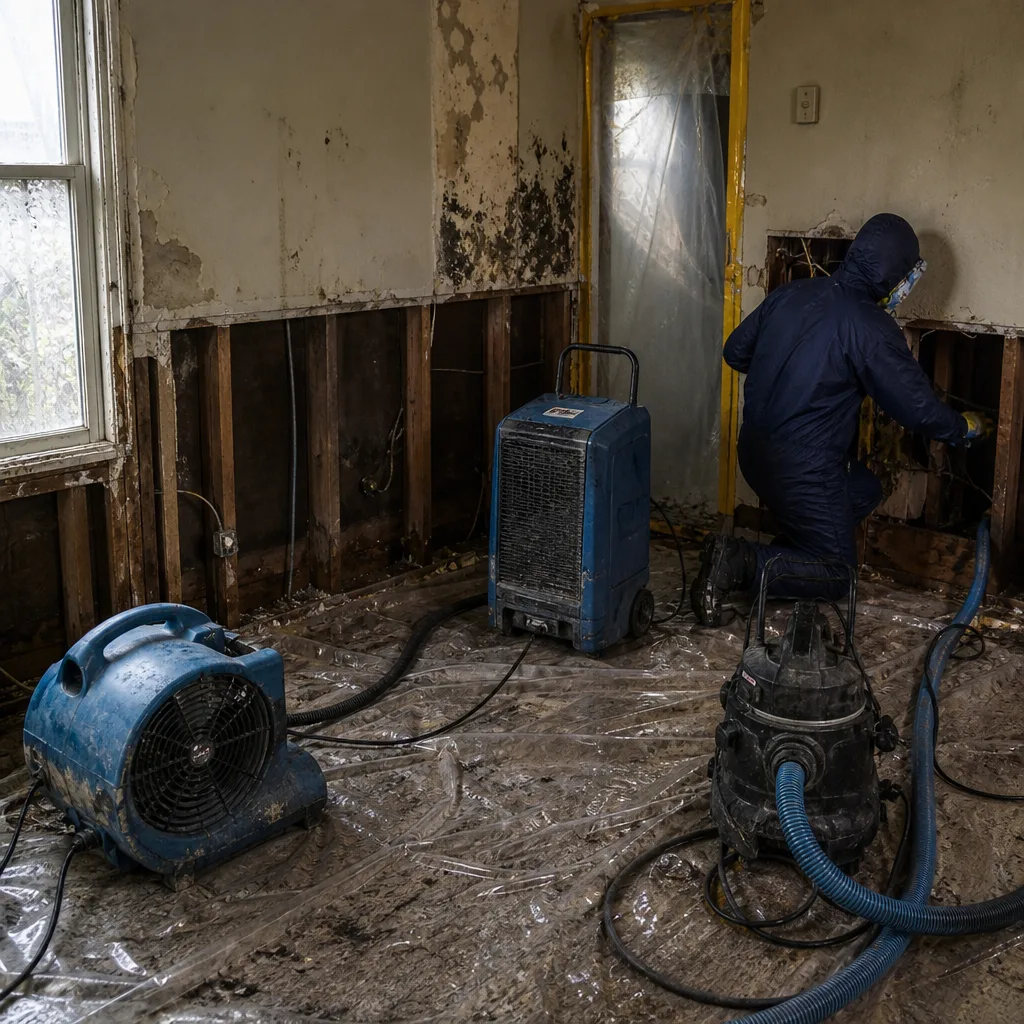 Before
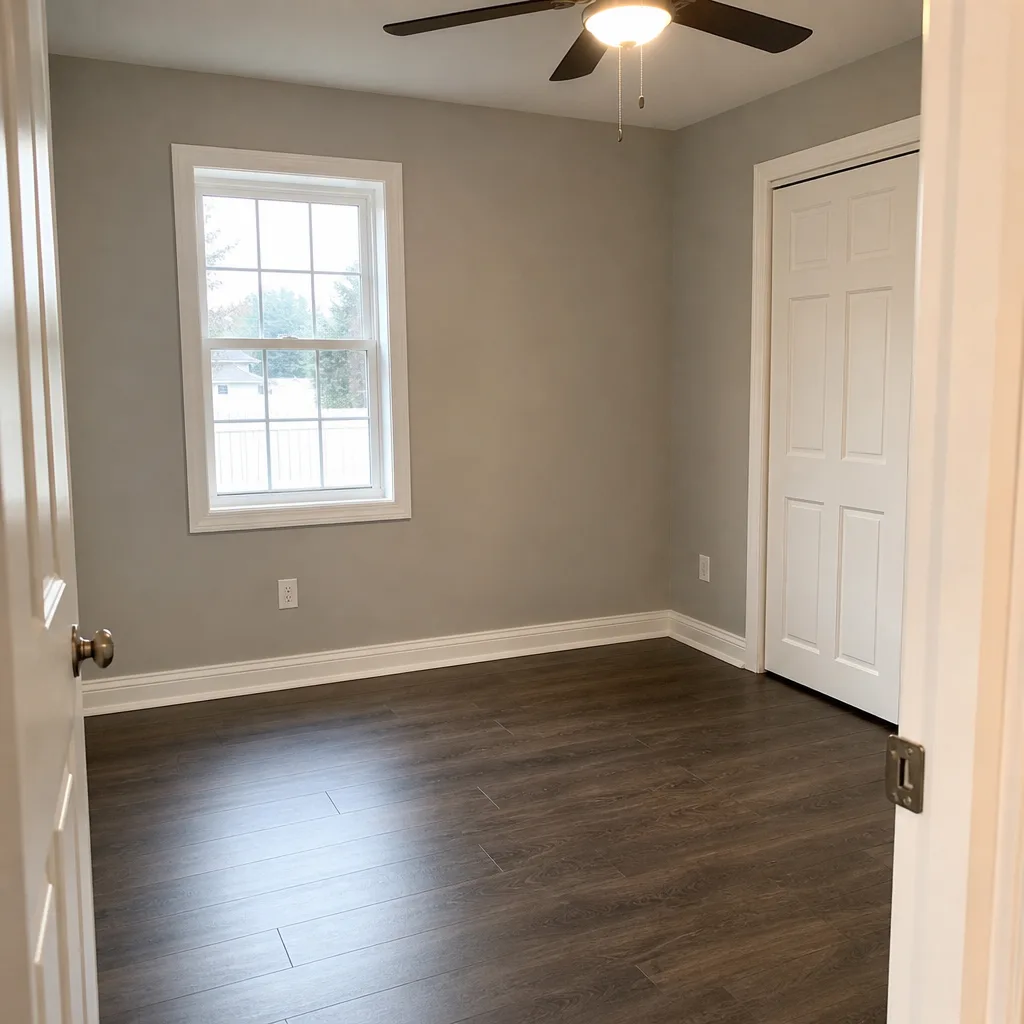 After
After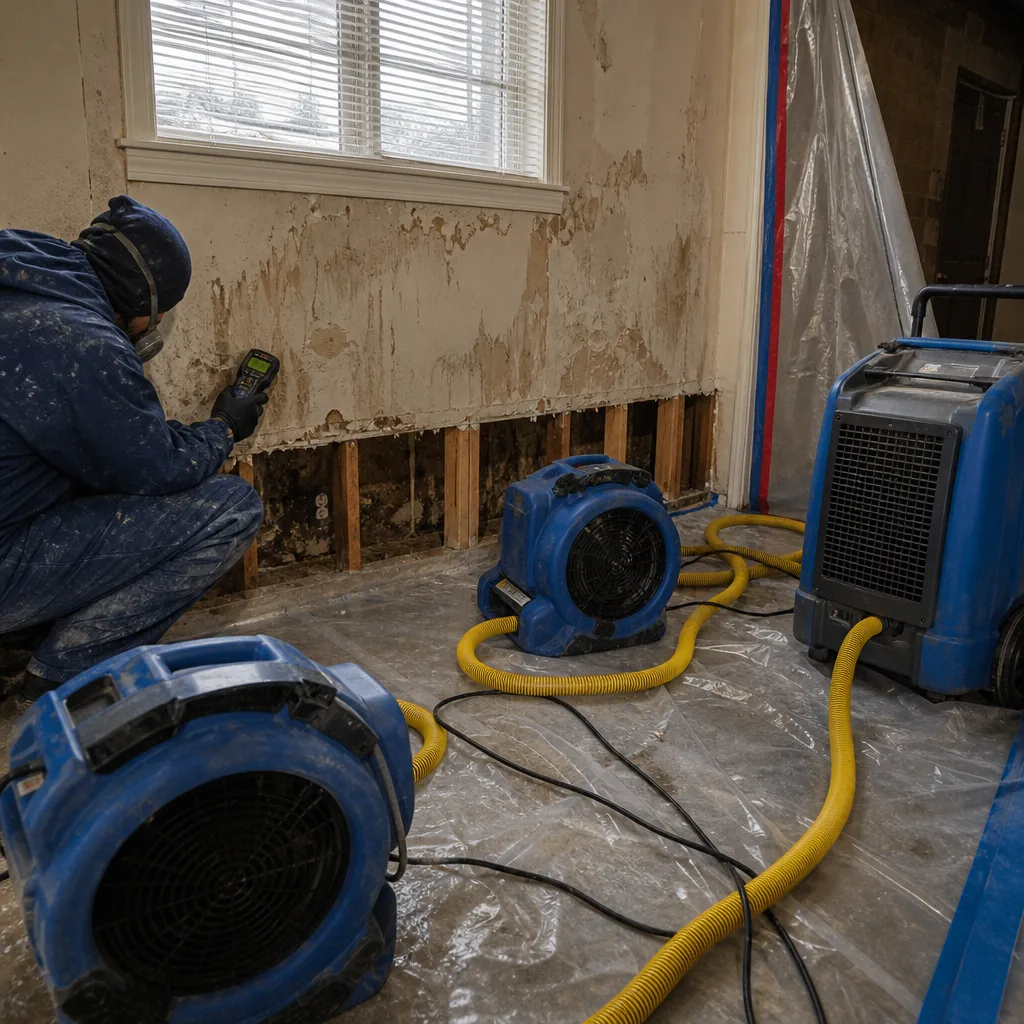 Before
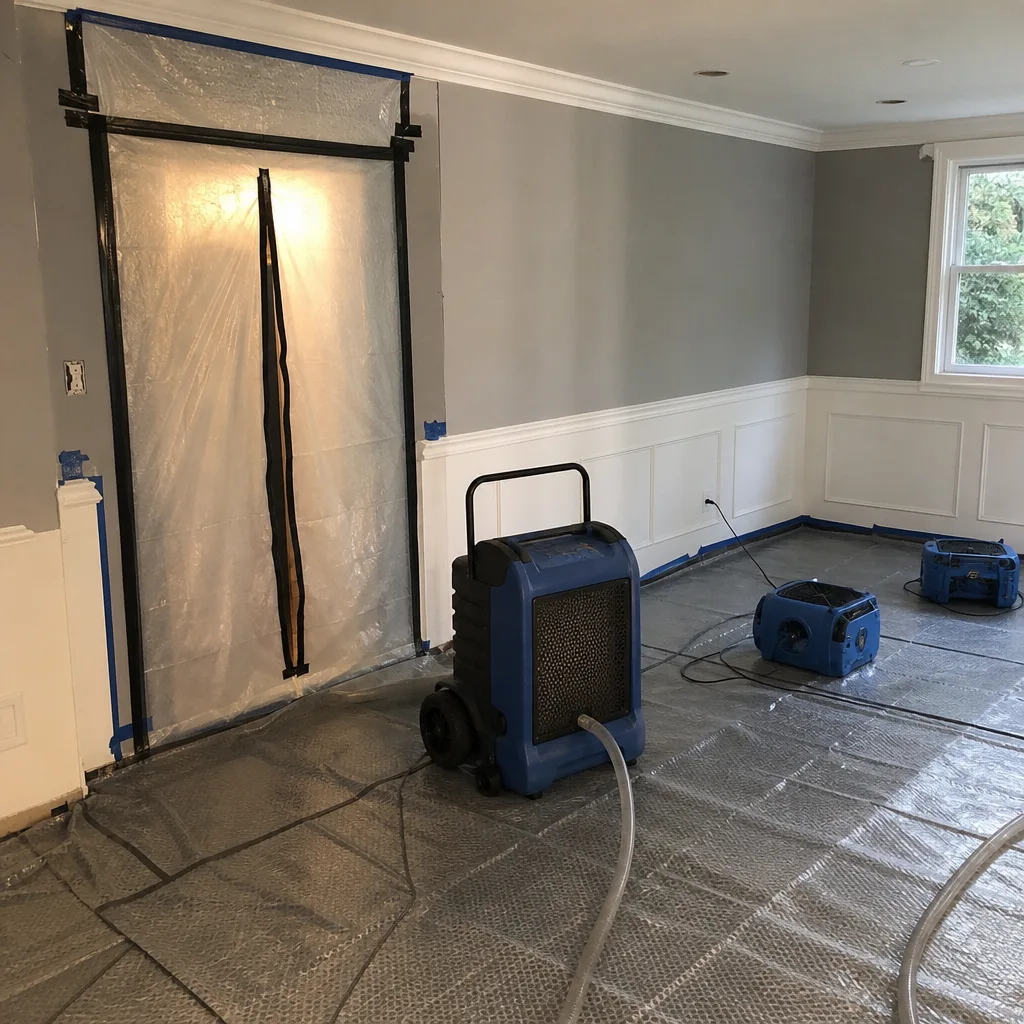 After
After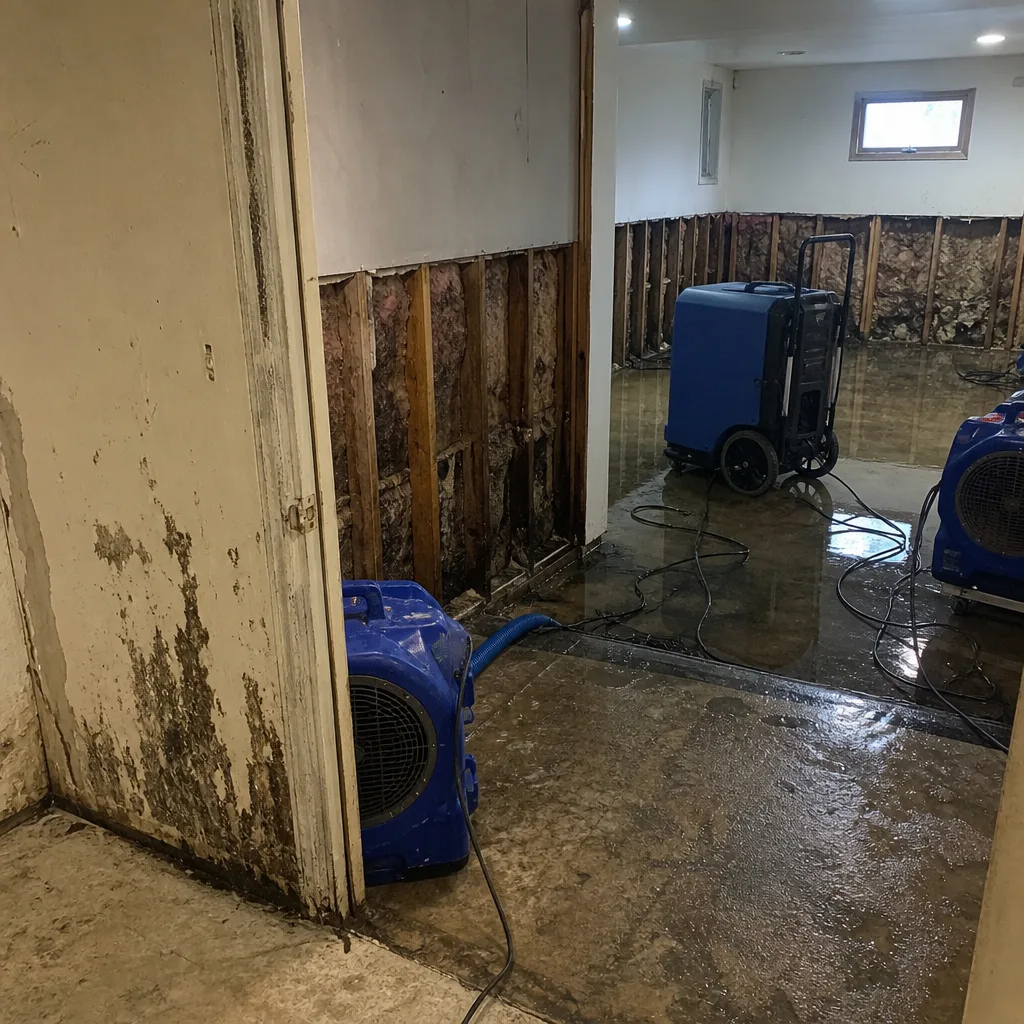 Before
 After
After