
Last updated October 16, 2026
 Water damage drying
 Fire & smoke cleanup
 Mold remediation
 Storm response
 Sewage cleanup
 Reconstruction
Free visual inspection and a written scope of work before any mitigation begins - photos, moisture readings, and drying logs go in your claim file
The scope we write is the scope we bill. Anything new gets shown to you, in writing, before we touch it.
Get your free estimateDamage Restoration Permits, Codes & Inspections in NY: What You Need to Know
If a restoration contractor tells you “we don’t need a permit for this,” that’s often code for “we’d rather not have an inspector verify our work.” It’s a sentence we hear echoed by Hempstead homeowners months after a job, when a home sale stalls or an insurance adjuster asks for documentation that doesn’t exist. Pulling the right permits after water or fire damage in New York isn’t bureaucratic red tape. It’s the only legal protection a homeowner has if a contractor does substandard structural work and disappears. This guide walks through exactly when a permit is required in Nassau County, what inspectors actually check, and how unpermitted work can follow you for years. You’ll finish knowing more about restoration permits than most contractors would prefer you know.
Quick Answer
Most structural restoration work in New York requires a building permit, pulled by a licensed contractor or the homeowner, before demolition or repair begins. In Nassau County, structural wall repairs, load-bearing element alterations, and electrical panel work all trigger permit requirements. A Certificate of Occupancy applies only when the home’s use or occupancy status changes, not for typical restoration. Unpermitted work shows up on title searches and can derail a sale or raise insurance premiums.
Restoration work we handle
Table of Contents
- When Does Restoration Work Require a Permit in NY?
- Building Permit vs. Certificate of Occupancy: What’s the Difference?
- The Nassau County Inspection Sequence for a Water-Damaged Home
- Who Pulls the Permit: Homeowner or Contractor?
- How Unpermitted Work Appears on a Title Search
- Permits and Your Insurance Claim: What Adjusters Expect
- Common Mistakes to Avoid
- When to Call a Professional
- Frequently Asked Questions
When Does Restoration Work Require a Permit in NY?
The short answer: more often than most homeowners expect. New York State leaves permit specifics to local municipalities, and Nassau County enforces its own building code through the Nassau County Department of Health and local building departments. For a homeowner in Hempstead, the rule of thumb is simple. If the work touches structure, electrical, plumbing, or mechanical systems, assume a permit is required until someone tells you otherwise in writing.
Here are the restoration scopes that trigger a permit requirement in Nassau County:
- Structural wall repairs: Replacing drywall on a wall that isn’t structural typically doesn’t require a permit. Rebuilding a wall that bears load, even partially, does. If studs, headers, or sill plates are being replaced, you’re in permit territory.
- Load-bearing element alterations: Any work that removes, cuts, or reconfigures beams, columns, or joists requires a permit and often a stamped engineer’s drawing. Water damage that’s compromised a bearing wall means the repair falls under this requirement.
- Electrical panel work: If water reached the electrical panel, or if a fire damaged wiring, any panel replacement or circuit rework requires an electrical permit and a licensed electrician. Nassau County inspectors are strict about this because water-damaged panels present ongoing fire risk.
- Plumbing line replacement: Replacing supply lines or drain lines inside walls after a freeze or leak requires a plumbing permit. Patching a small section of pipe with a coupling usually doesn’t.
- Subfloor and joist replacement: Rotted subflooring under a bathroom or kitchen leak is structural. The moment a carpenter cuts into a joist or replaces one, the project crosses into permit-required scope.
What doesn’t require a permit in most cases: water damage restoration scope like extracting standing water, running drying equipment, replacing baseboards, repainting, or replacing non-structural drywall panels. A good contractor will tell you which phase of your project crosses the line. If they tell you nothing ever needs a permit, get a second opinion before signing anything.
We’ve also worked on Hempstead homes where the original construction predates current code by decades. In those cases, even modest repairs can trigger code-upgrade requirements, because the inspector applies current code to any portion of the structure being opened up. A 1950s Cape Cod in Hempstead with original wiring and a rotted bathroom floor can turn into a panel upgrade and a grounding system replacement the moment the wall comes open. The permit process exists to catch exactly that.
Building Permit vs. Certificate of Occupancy: What’s the Difference?
A building permit authorizes specific work. A Certificate of Occupancy (CO) certifies that a building is legally fit for its intended use. Restoration projects almost always involve the first and rarely involve the second. Confusing the two causes delayed closings and expensive surprises.
Here’s how each applies to a restoration project in Hempstead:
- Building permit: Issued before work starts. It covers the scope of demolition, repair, or alteration described in the application. The permit stays open until the building department completes final inspection and signs off. A typical water-damage repair project in Hempstead with structural scope might have a permit open for 3 to 8 weeks, depending on inspection scheduling.
- Certificate of Occupancy: Only required when a building is new, when the use changes (single-family to two-family, residential to commercial), or when the building department determines that substantial repair (often defined as 50% or more of the structure’s value) effectively reconstructs the building. A standard restoration job, even a large one, rarely triggers a CO unless the damage was catastrophic.
The distinction matters because a CO requires a final inspection by multiple departments, sometimes including fire marshal sign-off. If a contractor tells you that your restoration project needs a Certificate of Occupancy, ask why in writing. In most Hempstead homes, a building permit with final inspection sign-off is the finish line.
One nuance unique to older Hempstead housing stock: some homes built before current zoning maps were established may never have received an original CO. That absence can surface during a sale and spook a buyer’s lender. A restoration project is sometimes the moment a homeowner discovers the home has no CO on file. If that’s the case, the building department will explain what’s needed to resolve it. It’s usually a paperwork process, not a rebuild.
The Nassau County Inspection Sequence for a Water-Damaged Home
Inspectors don’t just show up once at the end. The inspection sequence exists so that work gets checked while it’s still exposed, before drywall hides it. Here’s the typical sequence for a water-damaged home in Hempstead, assuming structural or electrical scope that required a permit:
- Pre-demolition inspection (sometimes): If the damage is extensive, the building department may want to see the existing conditions before walls come down. This documents what was there and prevents a contractor from claiming pre-existing conditions were worse than they were.
- Rough-in inspection: This happens after demolition but before insulation and drywall go up. The inspector checks framing repairs, new electrical wiring (before it’s covered), plumbing rough-in, and any structural member replacements. This is the most important inspection for a restoration project, because it’s the last time the inspector will see the skeleton of the repair.
- Insulation inspection (sometimes required): After insulation is installed and before drywall, if the project involved exterior wall repair. Nassau County enforces energy code on any wall cavity being opened and re-closed.
- Final inspection: After drywall, trim, paint, and fixtures. The inspector verifies that the work matches the permit scope, that electrical outlets and fixtures function, that smoke and CO detectors are in place, and that the site is safe for occupancy.
What inspectors look for at rough-in versus final differs significantly. At rough-in, an electrical inspector is checking wire gauge, box fill, grounding, and nail-plate protection where wires pass through studs. At final, the same inspector is checking that every bedroom has a functioning smoke detector, that GFCI outlets work in wet areas, and that the panel is labeled. Both matter. A project can pass rough-in and fail final over a missing detector that costs $25 to fix.
In our experience in Hempstead, scheduling is the wildcard. Inspection availability can range from a few days to a few weeks depending on the season and the building department’s caseload. A contractor who has built a relationship with the local building department usually knows how to sequence work so that drywall doesn’t go up before rough-in approval. That’s the kind of detail that separates a smooth job from a stalled one.
If you’re planning a water damage repair in Hempstead that includes structural scope, ask the contractor to walk you through the inspection sequence they expect before you sign. You want to hear specific inspection names, not “oh, we’ll handle all that.”
Who Pulls the Permit: Homeowner or Contractor?
New York State allows a homeowner to pull a building permit for work on their own single-family residence. That’s the legal baseline. But the practical answer for restoration work is more nuanced, and the distinction has real consequences in Hempstead.
When a licensed contractor pulls the permit, the contractor’s name goes on the permit as the responsible party. The contractor’s insurance and license are on the line. If the work fails inspection and the contractor disappears, the building department has a legal path to pursue. When a homeowner pulls the permit, the homeowner is the responsible party. If the contractor walks off the job, the homeowner is left holding an open permit with their name on it, and the building department expects the homeowner to resolve it.
Here’s the breakdown:
- Homeowner-pulled permit: Allowed by law for single-family owner-occupied homes. Lower up-front cost (contractors often charge a permit administration fee). Maximum risk if the contractor’s work fails inspection.
- Contractor-pulled permit: The contractor is legally accountable for code compliance. Insurance and licensing are tied to the permit. Higher up-front cost, usually 5 to 15 percent of the contract in administration and permit fees.
- Hybrid (not recommended): A contractor who asks the homeowner to pull the permit but does the work anyway. This is a red flag. It usually means the contractor is unlicensed, doesn’t want the job on their record, or has an existing issue with the building department.
For restoration projects, especially those involving mold remediation in Hempstead followed by structural rebuild, we recommend the contractor pull the permit. The contractor’s name on the permit creates accountability that a homeowner simply cannot replicate. If a contractor pushes back on pulling a permit for permit-required work, that’s the moment to find a different contractor.
One more point that gets overlooked: insurance claims. If a restoration project is being paid for by an insurance claim, the work still needs permits. An insurance payout doesn’t waive building code requirements. And if you’re already working with an adjuster, the permit documentation becomes part of the claim file, which protects you if the repair fails later.
How Unpermitted Work Appears on a Title Search
This is the section most restoration contractors won’t mention. Unpermitted work has a long tail, and it surfaces at the worst possible moment: during a sale, during a refinance, or during an insurance underwriting review.
When a building permit is pulled in Hempstead, it becomes part of the property’s record with the Nassau County building department. When work is done without a permit, no record exists. But the absence of a record is its own kind of record. Here’s what actually happens:
- Title search red flags: A thorough title search on a Hempstead property includes a building department records check. The title company looks for open permits, closed permits, and discrepancies between the property’s tax card (which lists bedrooms, baths, square footage) and its actual condition. If the home has a finished basement that doesn’t appear on the tax card, or a bathroom that was added without a permit, the title company flags it.
- Lender requirements: If the flagged work is recent, the lender may require the seller to obtain a retroactive permit or a letter from the building department stating the work is compliant. That process can take weeks or months, which is why unpermitted restoration work so often derails a closing.
- Insurance underwriting: When a new insurance policy is written, the insurer may ask about prior claims and repairs. If a water damage claim was paid and the restoration work was never permitted, the insurer may decline to cover future losses related to that area of the home, or quote a higher premium. We’ve seen Hempstead homeowners discover this at renewal time, years after the original damage.
- Resale liability: New York’s property condition disclosure process asks sellers to disclose known defects and unpermitted work. The form has a legal weight behind it. Failing to disclose unpermitted restoration work can lead to a post-sale lawsuit if the buyer discovers the work and the scope of what was hidden.
The blunt version: a $20,000 unpermitted structural repair can cost far more than the permit fees when it surfaces on a title search three years later. Permit fees in Nassau County are typically a few hundred dollars depending on the work scope. That’s the cheapest insurance policy you’ll ever buy on your home.
Permits and Your Insurance Claim: What Adjusters Expect
Insurance adjusters don’t always ask about permits during the initial claim. But when a claim involves structural damage, they often do. And the way the permit question gets answered shapes the entire claim negotiation.
Here’s what adjusters look for and how the permit process interacts with your claim:
- Scope documentation: A permit application includes a scope of work. That document becomes evidence of the damage and the required repair. It’s one of the few documents that exists outside the contractor’s estimate and the adjuster’s own assessment. When a permit is pulled, the scope is independently reviewed by the building department.
- Code upgrades: Insurance policies typically cover the cost of repairing to current code, not the original 1970s construction standard. When an inspector requires an electrical panel upgrade as part of a water damage repair, the permit documents that requirement. The adjuster uses it to justify additional coverage. Without a permit, the upgrade might be classified as an elective improvement and denied.
- Photo documentation: Restoration work that’s been permitted and inspected has an objective record: inspection notes, sign-offs, a closed permit. That record supports a future claim. If the same area fails again and there’s no permit history, the adjuster may question the quality of the first repair, and the claim gets scrutinized harder.
We’ve worked on Hempstead properties where the original damage was repaired without a permit by a previous owner, and the new owner’s claim for repeat damage was denied entirely because the insurer couldn’t verify the first repair was done to code. That’s the hidden cost of saving a few hundred dollars in permit fees.
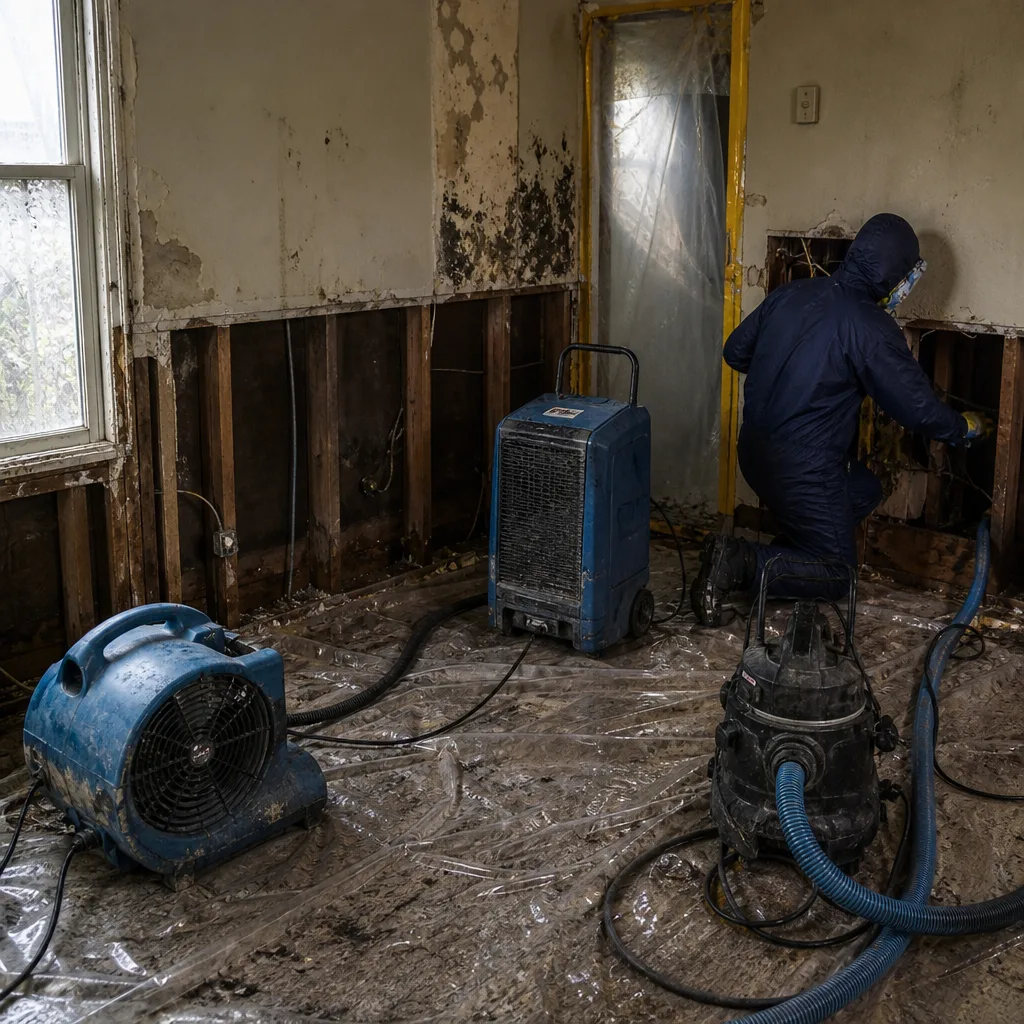
When the restoration scope is straightforward water extraction and drying with equipment like Dri-Eaz and Phoenix units, permits usually don’t apply. That’s a mitigation scope, not a construction scope. But the moment the conversation shifts from “dry it out” to “rebuild the wall,” the permit conversation needs to happen, ideally with the adjuster in the loop.
Common Mistakes to Avoid
- Taking a contractor’s word that no permit is needed without verifying. Contractors who waive permits off as unnecessary are sometimes protecting their own timeline, not your legal position. Call the Nassau County building department directly, describe the scope in two sentences, and ask. The call takes five minutes.
- Pulling a homeowner permit while an unlicensed contractor does the work. This is the worst of both worlds: you hold the legal liability, and the person doing the work has no license on the line. If the job fails inspection, the building department expects you to fix it.
- Letting drywall cover work before rough-in inspection. Once the wall is closed, the inspector can’t verify what’s behind it. If rough-in inspection never happened, the inspector may require the drywall to be opened back up, and now you’re paying twice.
- Assuming insurance covers code upgrades automatically. Most policies do, but the adjuster needs to see the requirement in writing. Without a permit and inspection record, the code upgrade conversation is much harder to win.
- Ignoring an open permit. An open permit shows up on title searches and spooks lenders. If a contractor walked away from a job and left a permit open under your name, resolve it. The building department can walk you through the close-out process.
- Not keeping permit records after the job. The closed permit and final inspection sign-off are documents you should keep with your deed, not mixed in with a pile of old contractor quotes. You’ll want them in five years when you sell.
- Treating a Certificate of Occupancy as a permit. They’re different documents with different purposes. A CO doesn’t authorize repair work, and a building permit doesn’t establish occupancy status. Using one in place of the other creates a gap in your paper trail.
When to Call a Professional
If your restoration project touches structure, you need a contractor who understands the permit process, not one who resents it. The moment the scope includes replacing headers, sistering joists, rebuilding a bearing wall, or rewiring a panel that got wet, you’re in professional territory where an inspector will be involved. The same goes if your home in Hempstead was built before 1980 and the repair opens walls that contain original electrical or plumbing. Older homes have surprises behind the drywall, and those surprises often have code implications. Wendell Restoration Hempstead offers free estimates in Hempstead, and we can tell you honestly whether your project crosses the permit threshold, call (516) 559-6972. If you’re not sure whether your job needs a permit, ask us before you sign anything. We’d rather tell you the truth on the front end than watch the building department tell you later.
Frequently Asked Questions
You need a permit if the repair involves structural elements, electrical systems, or plumbing lines. Simple drying, drywall replacement on non-structural walls, painting, and flooring typically don’t require one. When in doubt, call the Nassau County building department and describe the scope. For a free assessment of whether your water damage repair in Hempstead needs a permit, call (516) 559-6972.
Permit fees vary by scope but typically range from $150 to $800 for most restoration projects in Hempstead, depending on the work’s value and complexity. Electrical and plumbing permits are often separate line items. The permit fee is a small fraction of the project cost, and a closed permit protects you far beyond what the fee suggests.
Yes, New York State allows homeowners to pull permits for work on their own single-family residence. But doing so makes you the responsible party if the work fails inspection. If a licensed contractor performs the work, having them pull the permit puts their license and insurance on the line, which gives you far more leverage. Call (516) 559-6972 if you want to talk through the trade-offs for your project.
Most homeowners insurance policies cover permit fees and code-required upgrades as part of a covered claim. The key is documentation: a permit record with inspection notes is the proof the adjuster needs to approve code upgrade coverage. Without a permit, the upgrade is easier to classify as an elective improvement.
For a typical restoration project, expect the permit to take a few days to two weeks for approval after submission, and inspections to be scheduled within a few days to a few weeks after that. The full process, from permit application to final inspection sign-off, usually runs 3 to 8 weeks for structural work. Scheduling varies by season and building department caseload.
The unpermitted work may surface on the title search, which happens after you’re under contract. At that point, the lender may require the seller to obtain a retroactive permit or a compliance letter from the building department before closing. If you’ve already purchased and discover the issue later, you’re responsible for resolving it. That’s why a thorough pre-purchase inspection should include a building department records check. For honest guidance on restoration in Hempstead, call (516) 559-6972.
The Bottom Line
Permits are the receipt for restoration work. They cost a few hundred dollars and a few weeks of time, and they create a legal record that protects you when the contractor is gone, when the adjuster reviews a claim, and when a buyer’s title company starts asking questions. In Hempstead and across Nassau County, structural repairs, electrical panel work, and load-bearing alterations require a permit period. The contractor who tells you otherwise isn’t doing you a favor. Pull the permit, keep the records, and if you’re ever in doubt, call the building department yourself. It’s the cheapest legal protection you’ll ever buy for your home.
Need straight answers about whether your restoration project in Hempstead needs a permit? Call (516) 559-6972 for a free estimate, or start with our Wendell Restoration Hempstead home page to see how we work. We’ll tell you the truth on the front end, the same way we’ve done since 2006.
Written by Blake Sorensen, Owner at Wendell Restoration Hempstead, serving Hempstead since 2006.
See the difference
 Before
 After
After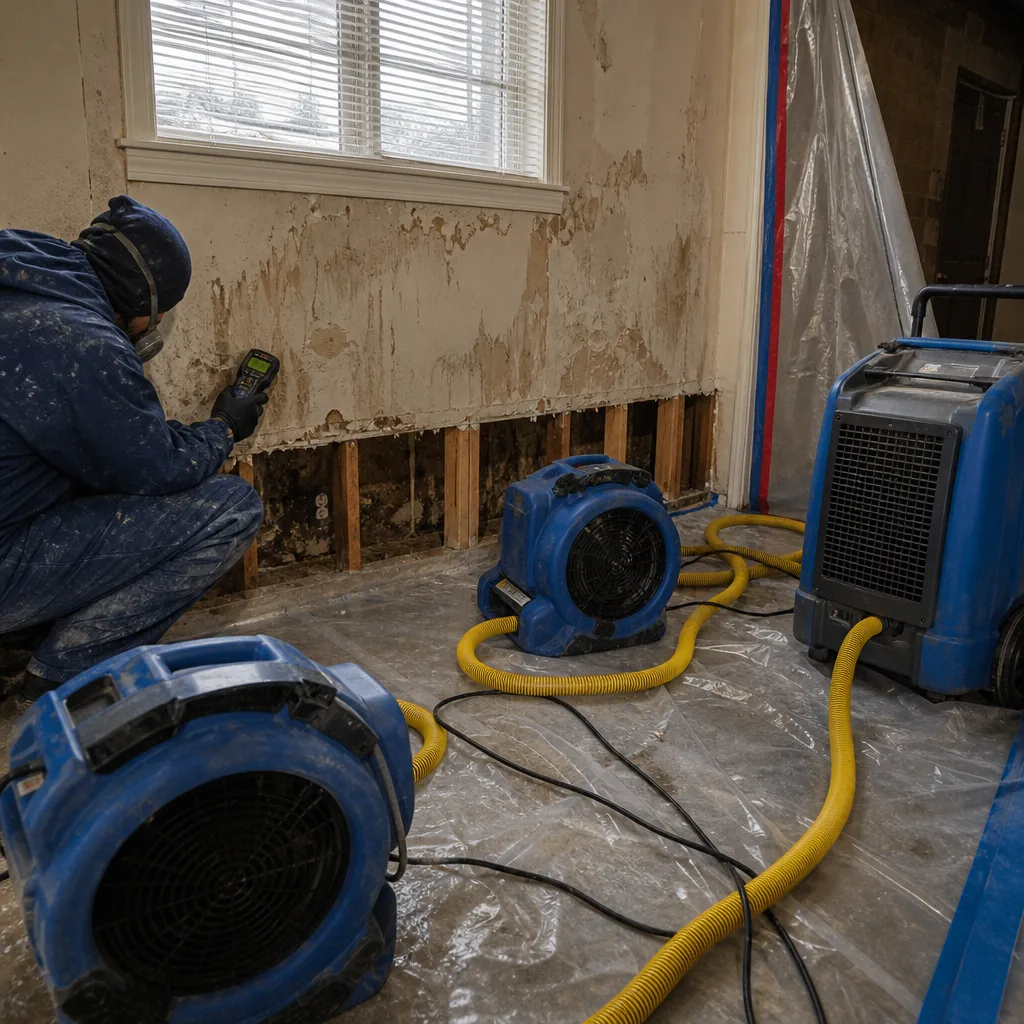 Before
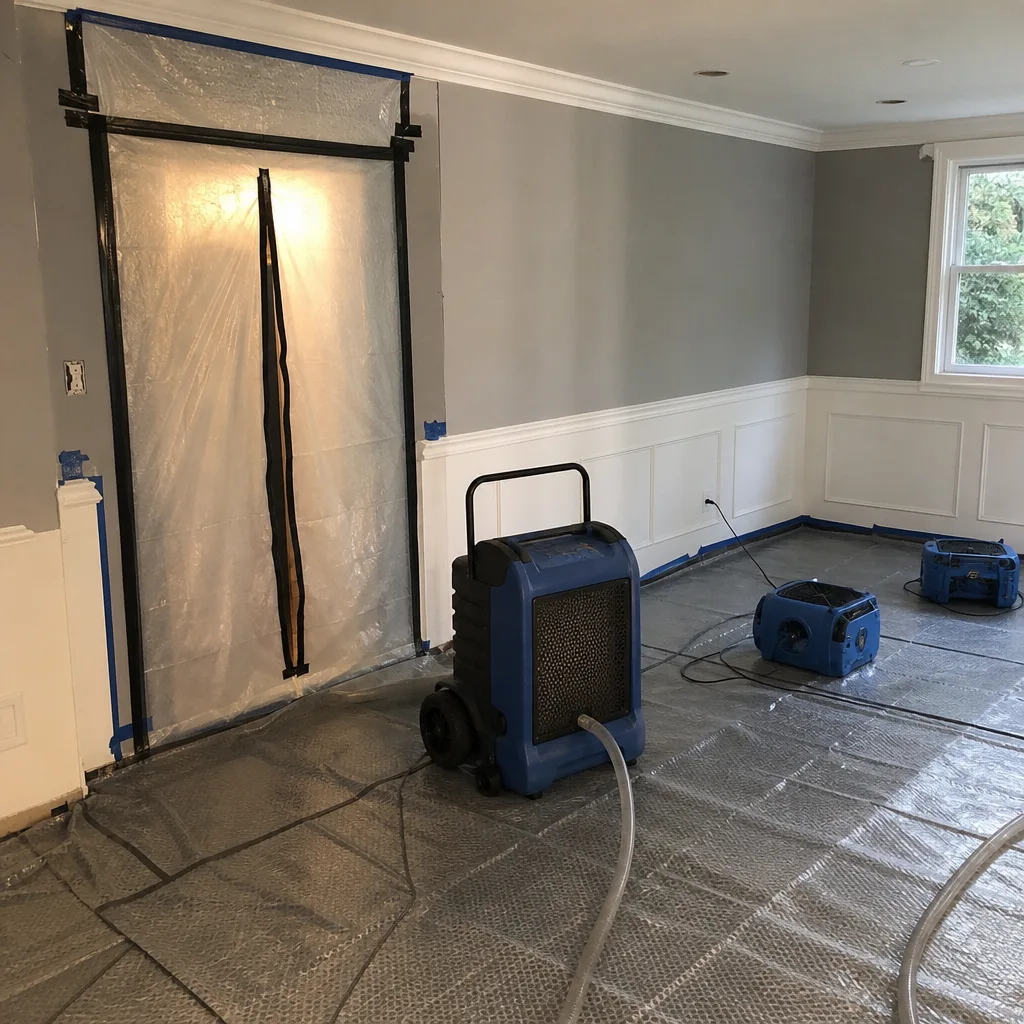 After
After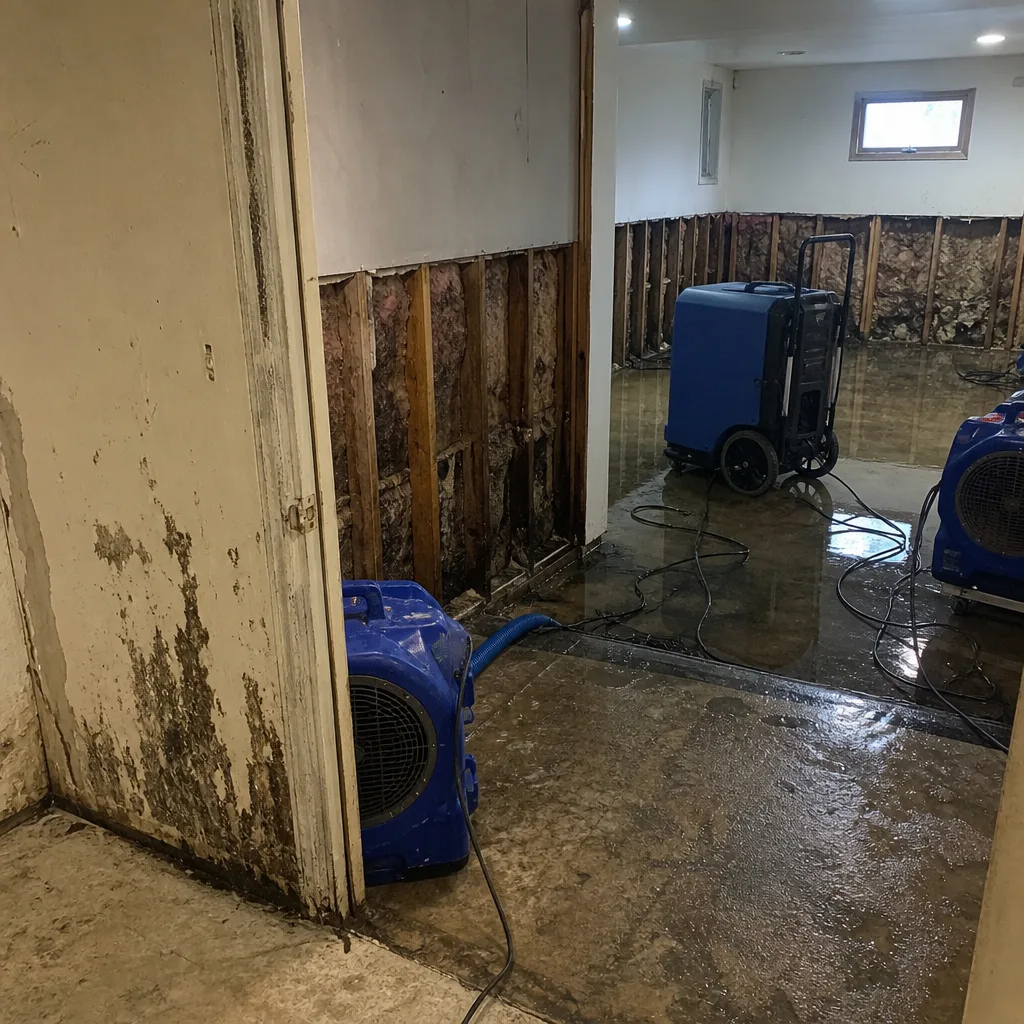 Before
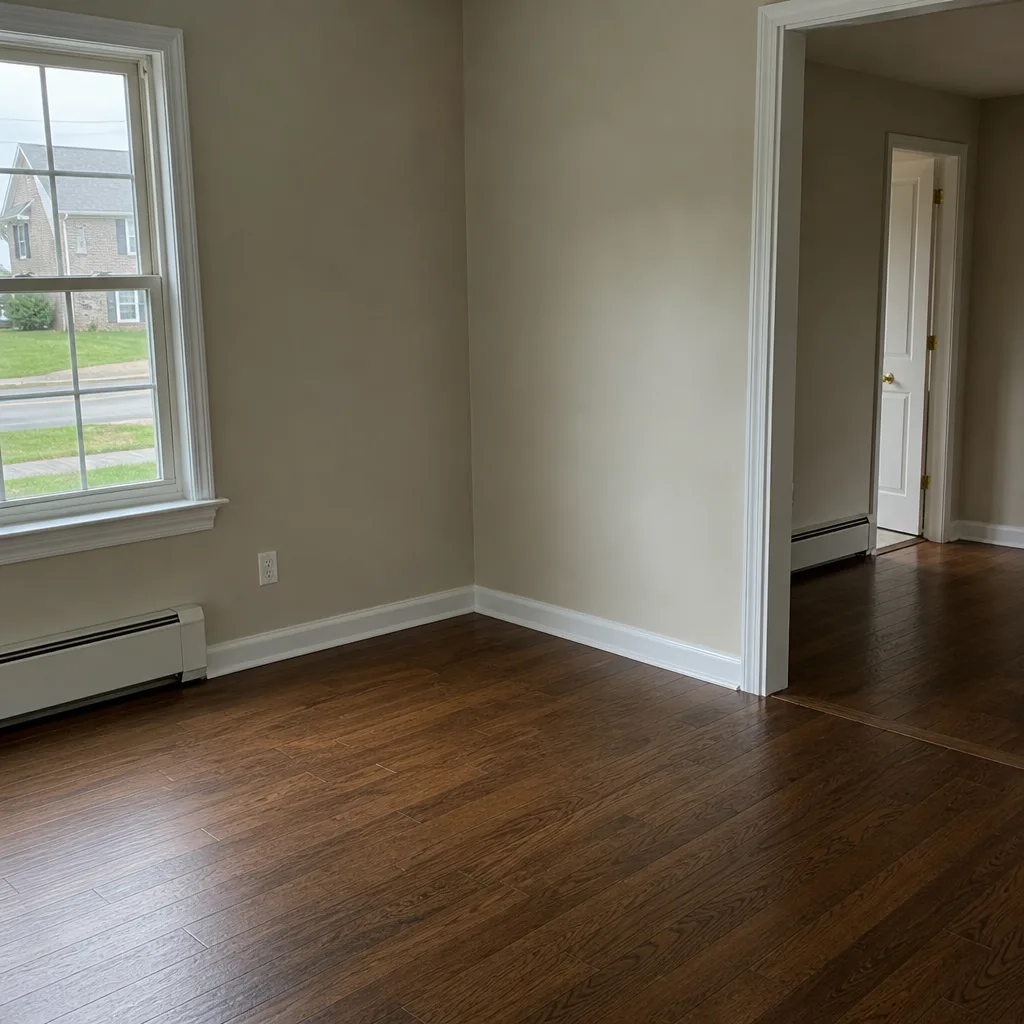 After
After